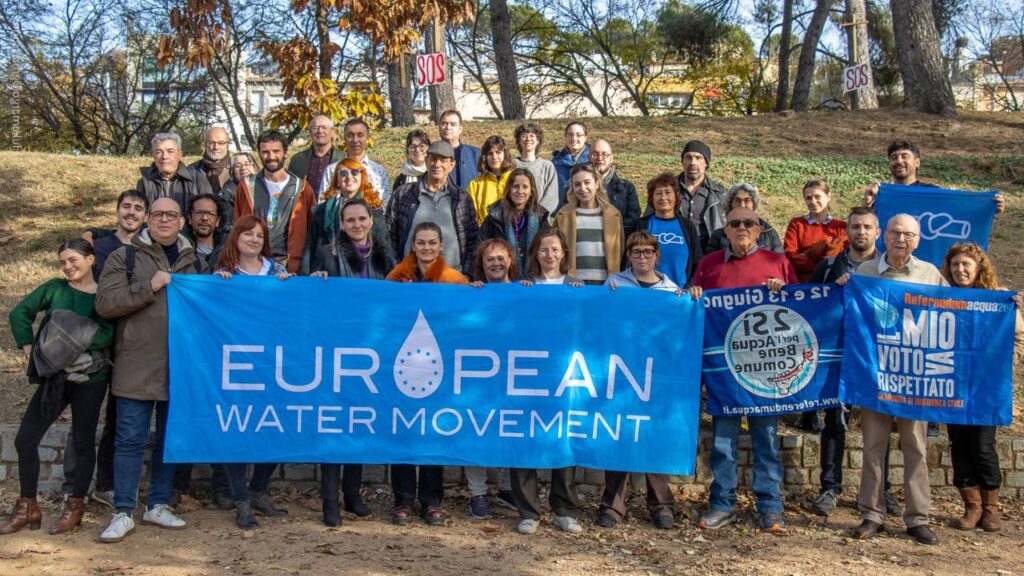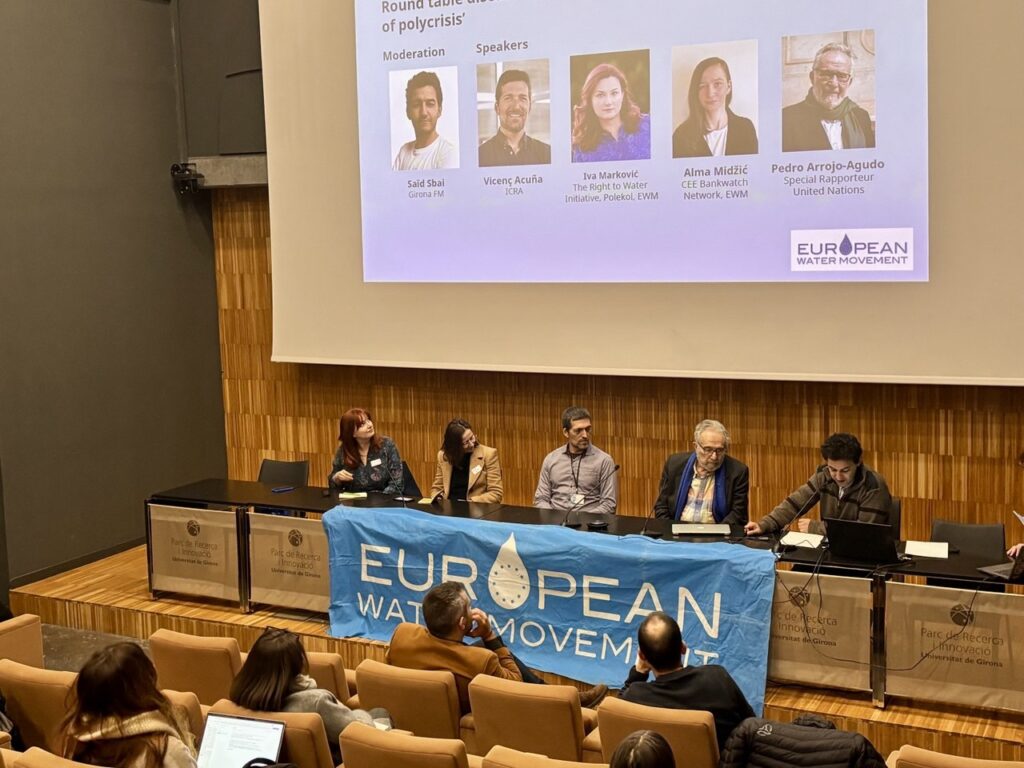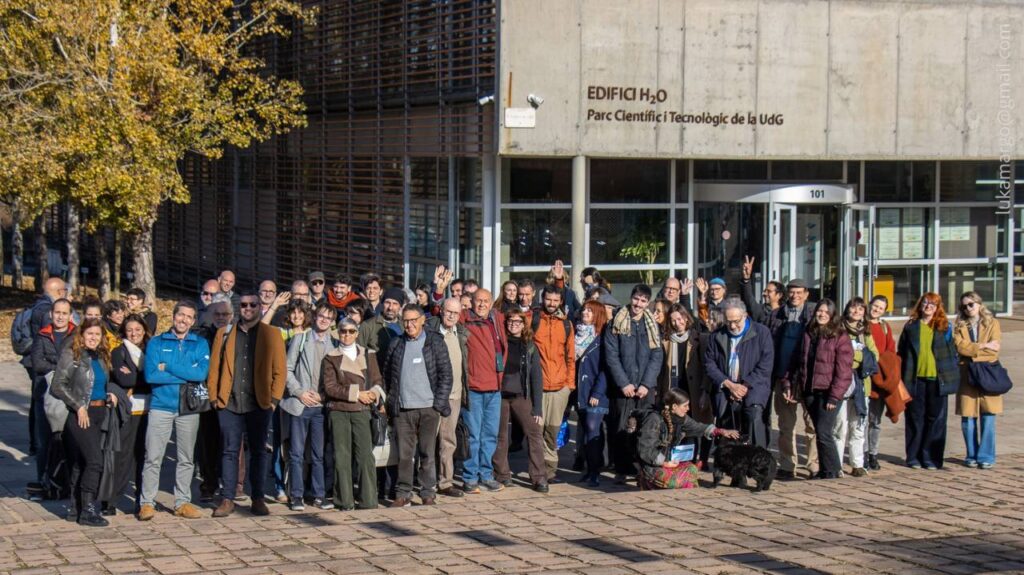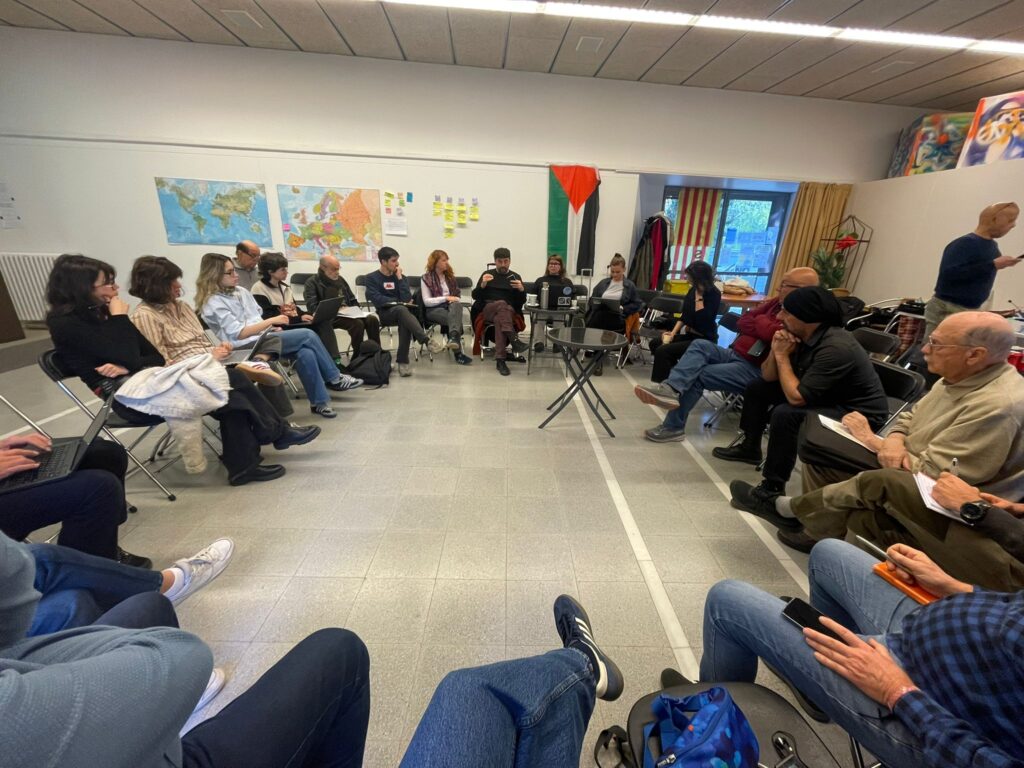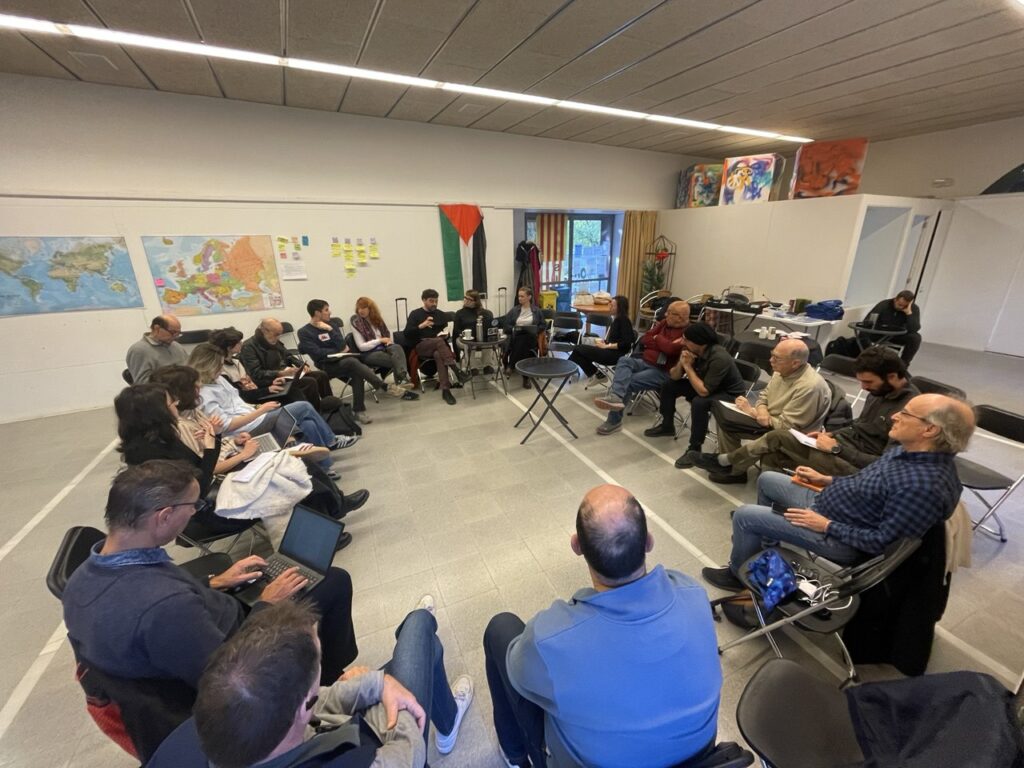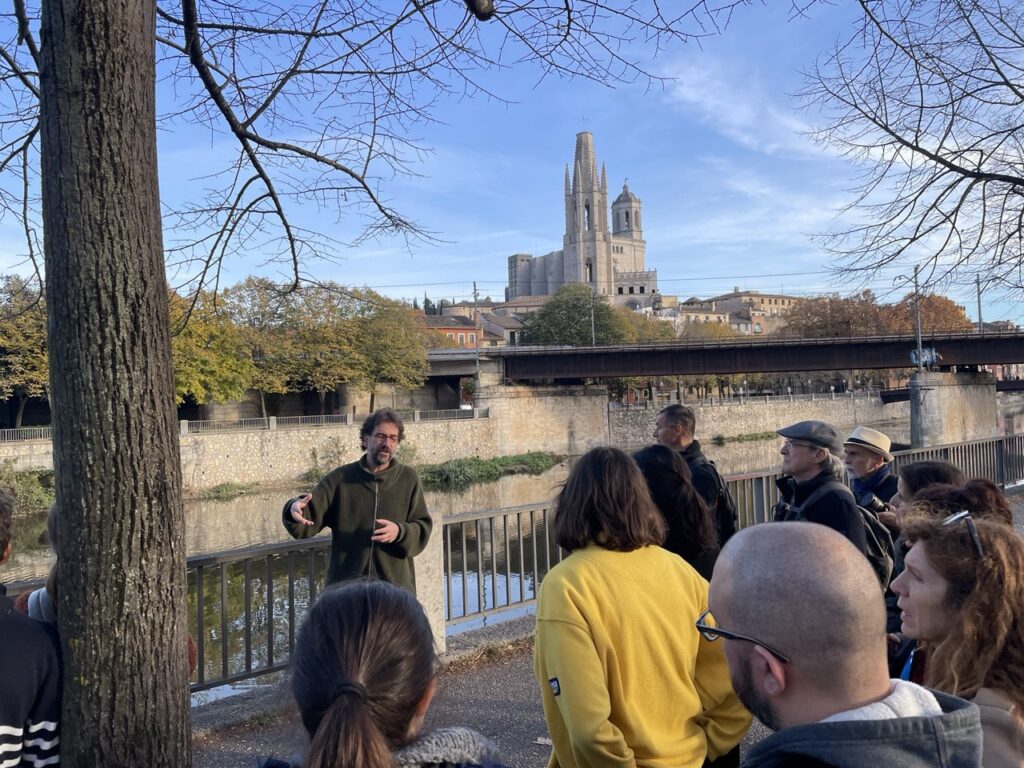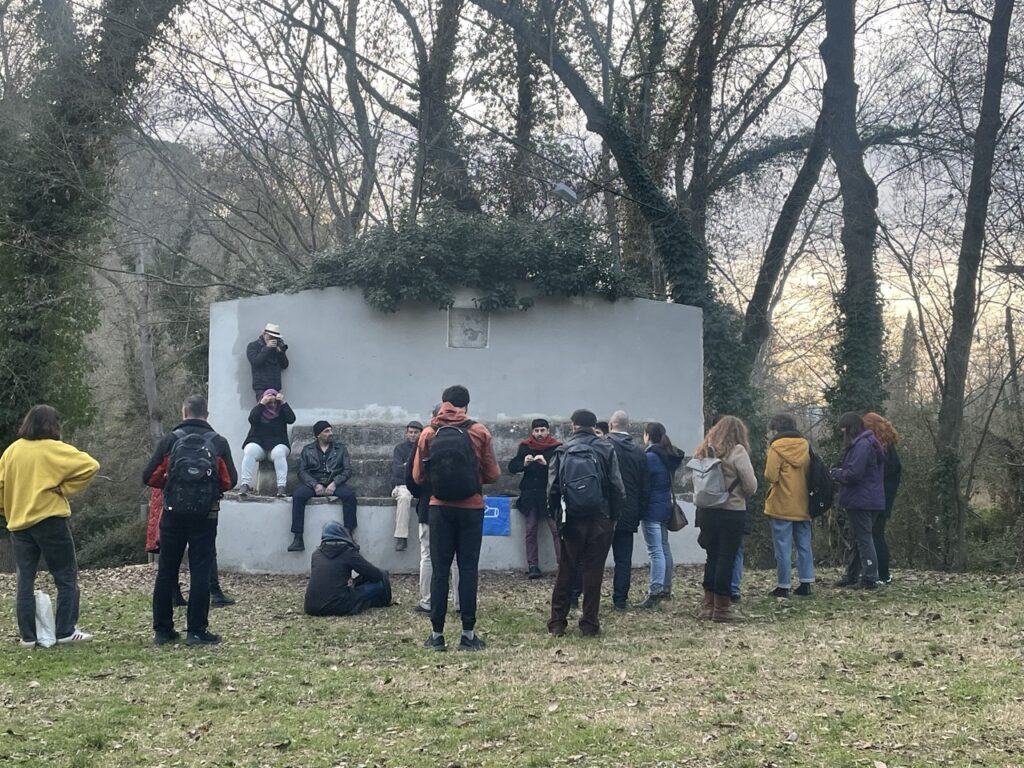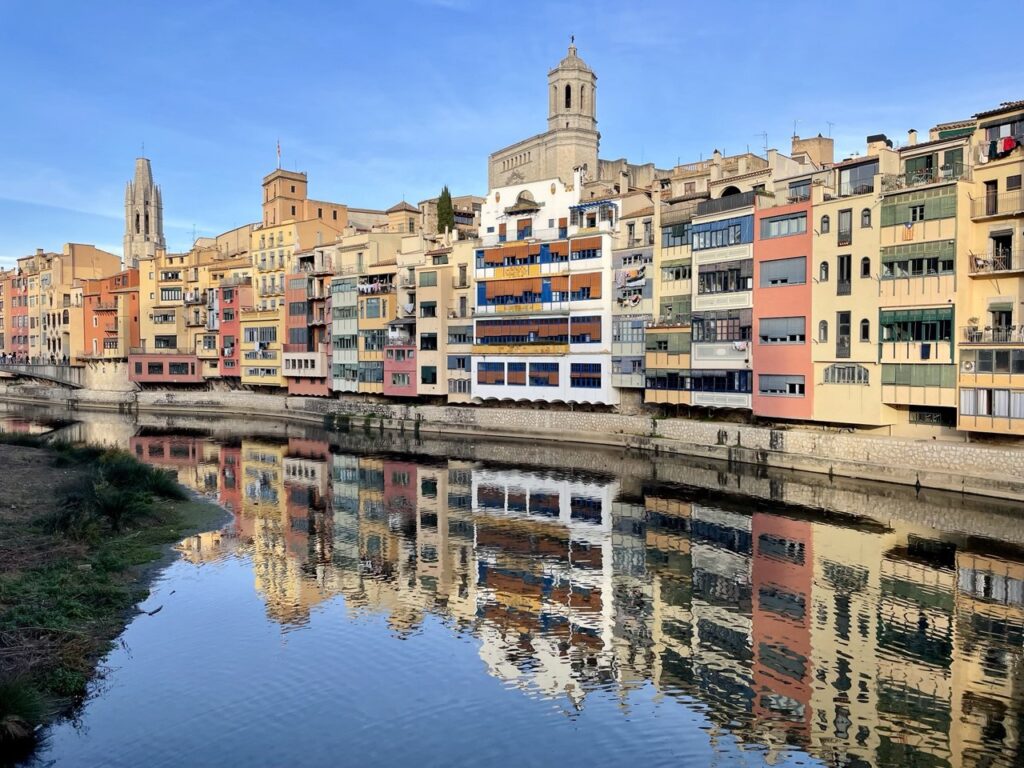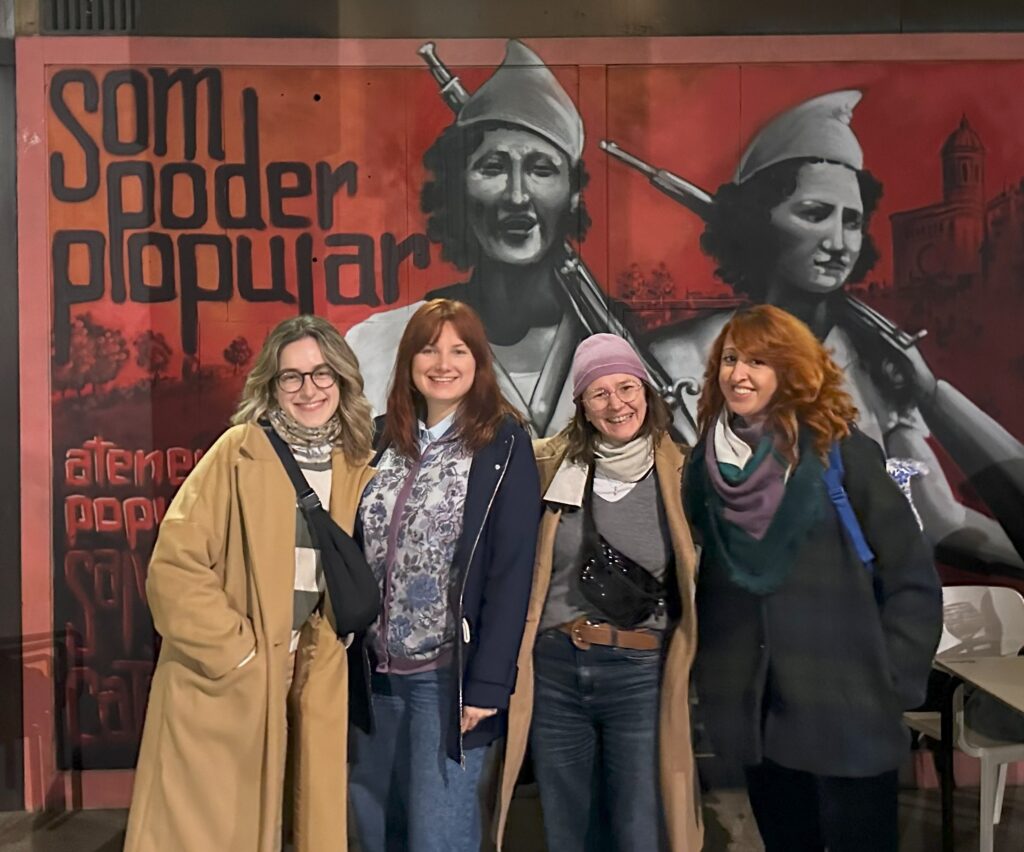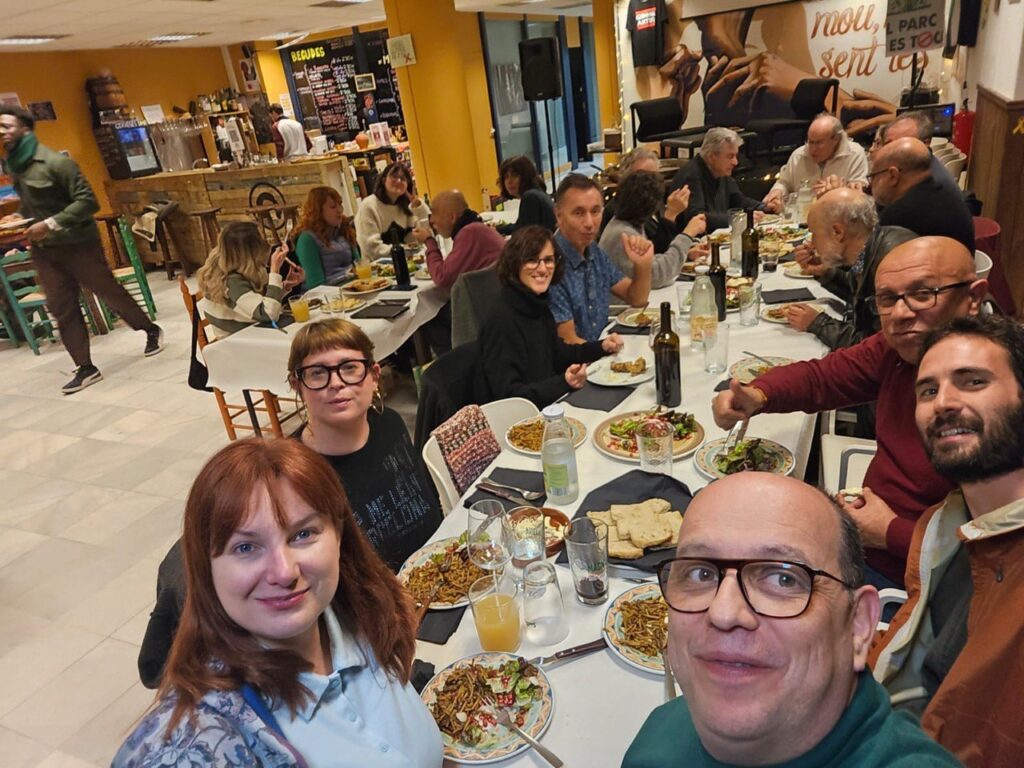


From December 5 to 7, 2025, the annual meeting of the European Water Movement (EWM) was held in Girona, which was attended by, among others, Iva Marković, Žaklina Živković and Nikolina Bjeković from the Polekol organization and the Right to Water initiative, members of the European Water Movement. During the meeting, a series of thematic discussions and workshops dedicated to European water management policies, pressures on water assets and social responses to current deregulation processes were held, and on that occasion the EWM joint declaration was adopted.
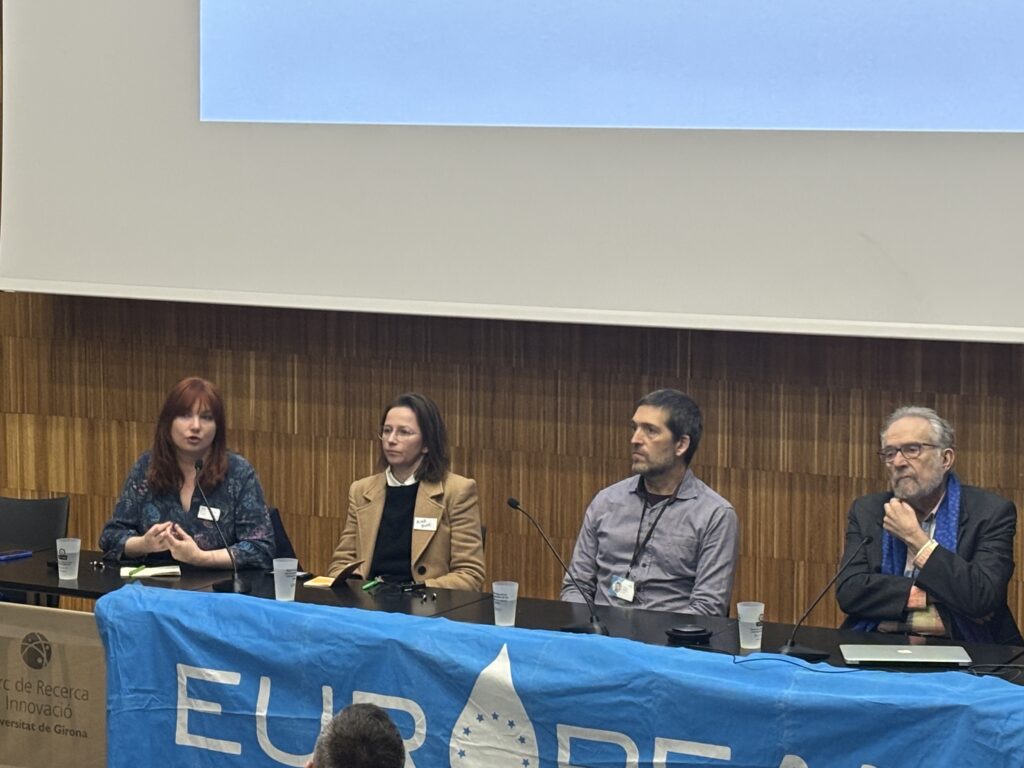
As part of the program, a public event was organized at which Iva Marković spoke together with the United Nations Special Rapporteur for Human Rights to Water and Sanitation, Pedro Arroja, and the delegation also visited the Catalan Institute for Water Research (ICRA).
On that occasion, a joint declaration was adopted:
The annual meeting of the European Water Movement in 2025 was held at a critical moment, marked by deregulation processes promoted by the European Commission, growing pressure on water resources and the increasing frequency of long-term droughts and floods. These circumstances coincide with a crucial preparatory year for the third UN World Water Conference (December 2026), where member states will have to define their positions and commitments.
This scenario is further complicated by the rise of far-right political forces across Europe, which is driving deregulation and threatening basic rights such as universal access to water, recognized by the UN General Assembly and enshrined in the Drinking Water Directive.
In this context, the meeting in Girona offered a platform to analyze the impact of European policies on water management and to develop strategies to defend water as a common and basic human right . The event brought together international, European and national experts , who provided critical and rigorous insights into current water-related challenges.
During the meeting in Girona, held on 5-7 December, the European Water Movement (EWM) expressed serious concerns about the negative consequences of the revision of the Water Framework Directive (WFD) announced by the European Commission on 10 December 2025, arguing that it is an obstacle to the granting of permits for projects such as mining projects. One of the main objectives of the meeting was to analyze the proposed deregulation of EU water legislation, both in terms of changes to the law and financing mechanisms.
According to EWM members, the weakening of this common legal framework would eliminate any guarantee of maintaining the ecological and chemical status of water bodies throughout the EU. The WFD is the cornerstone of European water policy , so EWM calls on members of the European Parliament to defend the Directive and its current standards. Organizations from Catalonia recalled that the WFD was key to improving the conservation status of rivers and aquifers.
The potential revision of the WFD was announced just a few years after the Commission’s evaluation concluded that the Directive was “fit for purpose” and necessary to meet common objectives related to water and health protection.
In addition, the continued momentum of rearmament and remilitarization initiated by European institutions is a priority issue. Such a development raises questions about the budgetary priorities of EU policy and their impact on the environment and public participation : there is a risk that the current budgetary priorities will prevail over all other issues, including water, and that the previous conclusions on the preservation of water resources, measures against pollution and the destruction of ecosystems in general would be undermined, reduced or annulled, with the argument that the current priorities represent “overriding public interest”.
EWM also condemns the shamelessly aggressive lobbying of the European Commission and Parliament by the EU mining and industrial lobbies, who are trying to ensure the priority of private short-term economic interests over the right to a healthy environment and the health of people in Europe.The Commission has repeatedly expressed its support for the human right to water and hygiene, after nearly two million signatures were collected for the first European Citizens’ Initiative (ECI Right2Water) in 2013, but its recent actions directly contradict these commitments.
EWM once again expresses its opposition to the current policy of European institutions that strongly supports the commodification and financial valorization of natural assets, including water, together with private financing and the increasing role of big capital in the management of the water cycle and resources. These policies are completely contrary to the basic principles of EWM, according to which water is one of the common goods that should not be commodified and over which public, democratic, participative management should be established at the level of local governments.
The Roadmap towards Nature Credits , published by the European Commission in July 2025, with the aim of attracting private investments for nature protection, is another sign that the European Union has no ambition to change the status quo in which polluters can further profit from their harmful activities instead of switching to meaningful sustainable practices.
Given that the features of policies currently implemented by European and international institutions are the militarization and privatization of natural assets, the field of action for social movements is narrowing. In this context, social entities, and especially EWM, should act on several levels:
- According to official institutions : in the form of an official public declaration and communication of EWM’s position against militaristic and privatization policies, EWM is very willing to cooperate with local and EU institutions in order to continue to guarantee the protection of water and life in general.
- In the social context : mass mobilization and struggles are needed, including coordination and solidarity between different socio-political contexts. EWM, together with other social platforms, will publicly support grassroots initiatives, in particular the campaign “Stop the rearmament of Europe”. Meanwhile, where feasible, EWM could appeal to human rights institutions against policies hostile to grassroots initiatives. In particular, EWM expresses its solidarity with the Italian Water Forum’s appeal to the European Convention on Human Rights (ECHR) against the Italian government’s legislative project that aims to exclude public operators from managing water services. EWM shows solidarity for other territorial struggles as well, including organizing against mining projects that threaten to threaten the preservation of water resources in the Balkans.
During the meeting in Girona, organizations from Spain, France, Italy, the Netherlands, Germany, Greece, Bosnia and Herzegovina, Belgium and Serbia agreed that defending the Water Directive must be a top priority for 2026. The meeting was also attended by representatives of public management, local authorities and the UN Special Rapporteur for human rights to water and sanitation.
EWM undertakes to closely monitor all developments related to EU water norms (Water Framework, Water Directive for Water, Water Gas Dewatering Management, etc.), closely monitoring implementation and implementation and predicting potential interventions, where necessary, to guarantee the preservation of water resources in quantity and quality, especially in the context of the increasing threat of water scarcity.
EWM reiterates the importance of cost-effective nature-based solutions to deal with the impacts of extreme weather and climate events such as floods, fires or droughts.
EWM also reiterates that there is an urgent need to respond to pressure from lobbies that aim to relax existing rules , especially in relation to: lighter restrictions and restrictions on some pollutants (microplastics, pesticides, heavy metals, etc.); delay in the implementation of provisions; attempts, in case of pollution, to charge the costs to the community instead of the polluter being responsible for payment.
EWM calls on the EU institutions to be transparent, to act in accordance with the general interest and not in favor of a few, to respect the rule of law and, in accordance with the principle of prevention, to defend democracy and to fight against any form of corruption, whether material or intellectual.
Water for peace! Water is a universal good and must not be exposed to privatization, commodification and financialization.
Management should be transparent, public, participatory and inclusive. Solidarity between people and communities fighting in defense of human and life rights!
Stop the ReArm Europe program!