


The fourth Green Horizons Academy was held in Belgrade at the end of March, organized by Polekol and the Green European Foundation – GEF.
In past years, the Academy of Green Horizons dealt with narratives, collective empowerment and extractivism and neocolonialism, and this year it turned to biodiversity. On March 28, experts and activists discussed what are the risks and what are the good sides and what are the lived experiences of implementing measures for decarbonization and, more generally, the new European legislation in the field of environmental protection. Is nature “at the table” when deciding on its well-being? What is the future of the EU Biodiversity Protection Strategy until 2030? What do the Habitat Restoration Act and the Biodiversity Strategy, the European Green Deal, and the Act on Critical Raw Materials bring to the Balkans? What is the impact of corporate lobbying on environmental laws? How are local struggles against exploitative industries taking place and how to strengthen environmental movements and their participation in decision-making around hydropower, vertroparks or, for example – critical minerals for the energy transition?
Pressure should be exerted on the decision makers
Although 73% of species populations in the world are declining, we still have time to reverse this trend, said Vanja Jakšić from WWF Adria at the first panel of the public forum “False dilemma: climate or nature”. He emphasized that pressure should be exerted on the decision-makers and they should be confronted with the state of affairs. Nataša Đereg from the National Convention for the EU stated that the legislation in Serbia lags behind that of the EU, and that we do not apply what we have adopted as needed.
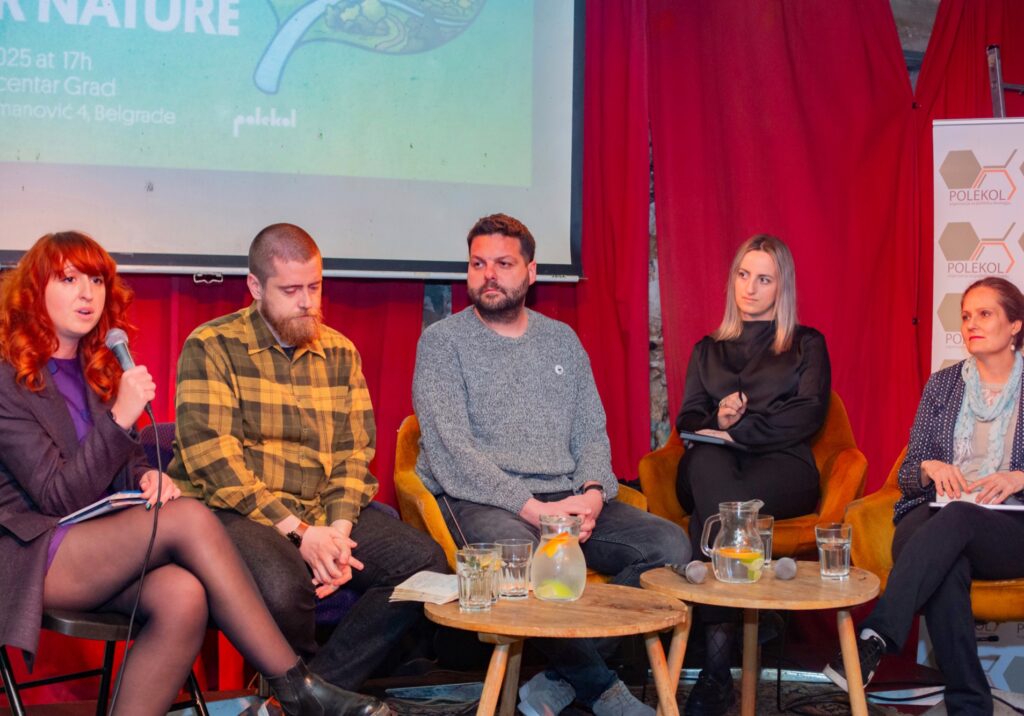
Belma Šestović from the Wildlife Montenegro and Montenegro organization noted that Montenegro is also late in implementing EU legislation and pointed out how centralized management in this country is setting back policies in the field of environmental protection. Their implementation is also difficult in Bosnia and Herzegovina, but because of the complicated political system, explained Igor Kalaba from the Center for the Environment (Bosnia and Herzegovina). Speakers pointed out that the research of geographical areas that should be protected and restored is proceeding so slowly that by the time it comes time to declare protection, the nature has already changed. They drew attention to the fact that in the territories that are waiting for protection, illegal and commercial construction, driven by profit interests, often occurs. The final deliberations were devoted to a critical consideration of certain EU laws that regulate the area of green energy transition of biodiversity. It was established that the EU also has problems with changing the system, as well as that in the energy sector, laws are being passed in parallel that will only have a bad impact on biodiversity, and attention was also drawn to the fact that countries on the periphery of the EU, such as the countries of the Western Balkans, are implicitly considered insufficiently important to be preserved. Part of the panel is the lectern and the speakers are, however. dedicated to pointing out the successes that are being achieved in this area despite all the obstacles.
The second panel discussed the connections between ecosystems, local communities and decarbonization. Ivan Milosavljević (Rangers of Eastern Serbia, Serbia), Andrej Ralev (Bankwatch SEE, Bulgaria), Milja Vuković (Blue and Green Initiative, Serbia), Aleksandar Dragićević (environmental activist, Montenegro) and Marko Mirč (Institute for Biological Research “Siniša Stanković”, Serbia) shared their knowledge and experiences with the audience.
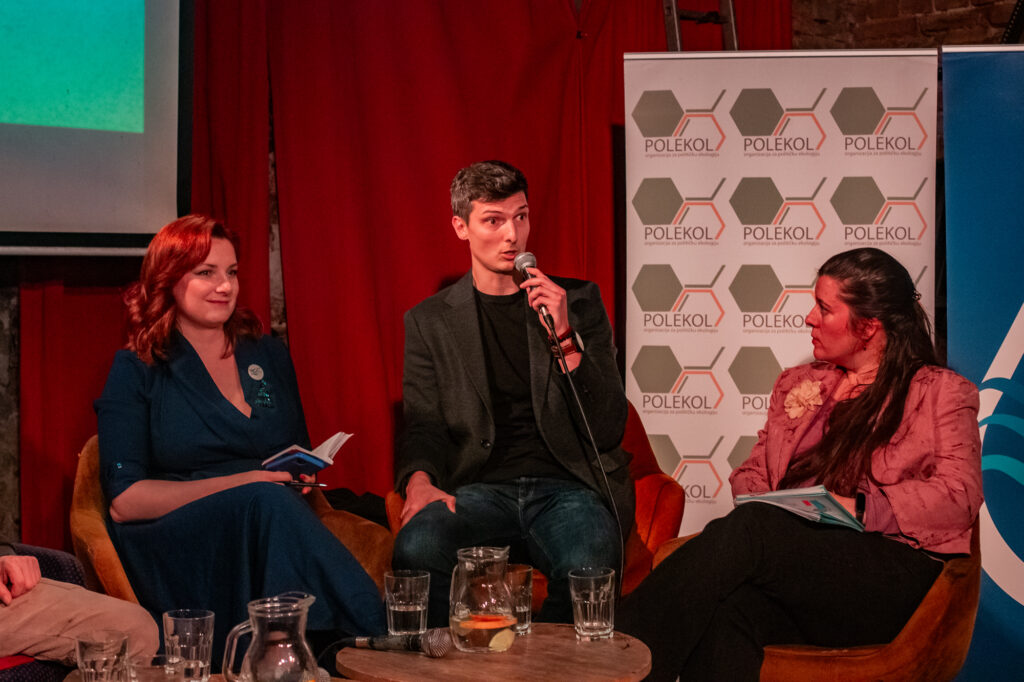
People are also part of the ecosystem.
The strategy of building renewable energy sources in areas of rich biodiversity has been criticized. Speakers pointed out that energy projects are slipping away faster than experts and local people can critically examine them and organize against harmful projects. Andrej Ralev emphasized that there are many blind spots in the hierarchy of adjusting energy projects to the needs of biodiversity. He particularly criticized the offset mechanism, stating that “nature cannot be put at a price.” Marko Mirč continued, stating that nature should not be valued commercially, but also pointing out that we can win over interlocutors who do not share the same values by explaining to them that it is cheaper to protect a territory in advance than later to pay for its revitalization (which will be required according to the new EU legislation). In this light, Dragićević cited the example of the Montenegrin authorities, to whom the activists managed to explain how much they lose economically by not investing in forests.
Milja Vuković emphasized that people should realize that they are not separate from the ecosystem, but an integral part of it, and advocated for the education of young people and described her experiences. Ivan Milosavljević brought Homolje closer to the audience as a zone of exceptional biodiversity wealth, which is nevertheless threatened by the profit interests of mining corporations, and called for efforts to preserve Homolje. “People in the Balkans are closer to nature than people from the West,” he said. “It is important to talk about nature, not about climate change because that does not resonate with people from here, nature and the impact of climate change can be connected, but it is not worth talking only about the concept of climate change,” Milosavljević believes. Criticizing the development strategies of the EU, Mirč emphasized that 30 European countries belong to the countries that exploit natural resources the most in the world, and Dragićević pointed out that there will be no future for any of the countries of the region “If the process of decolonization does not begin urgently”, so that the countries of the region become more resistant to the pressures of interest groups from abroad.
A bird’s paradise on the left bank of the Danube
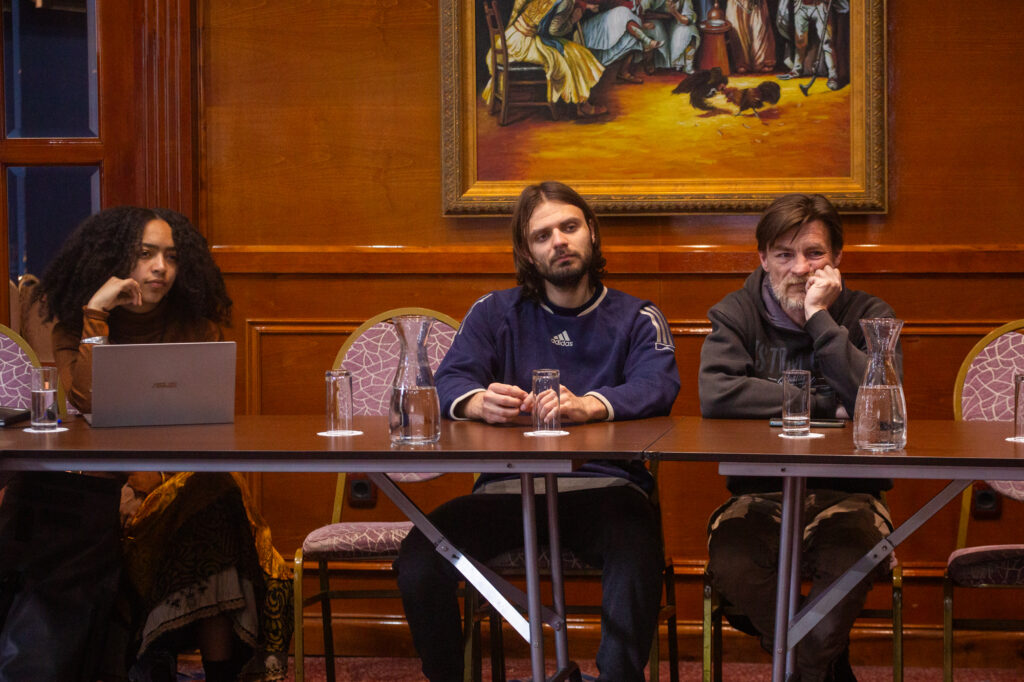
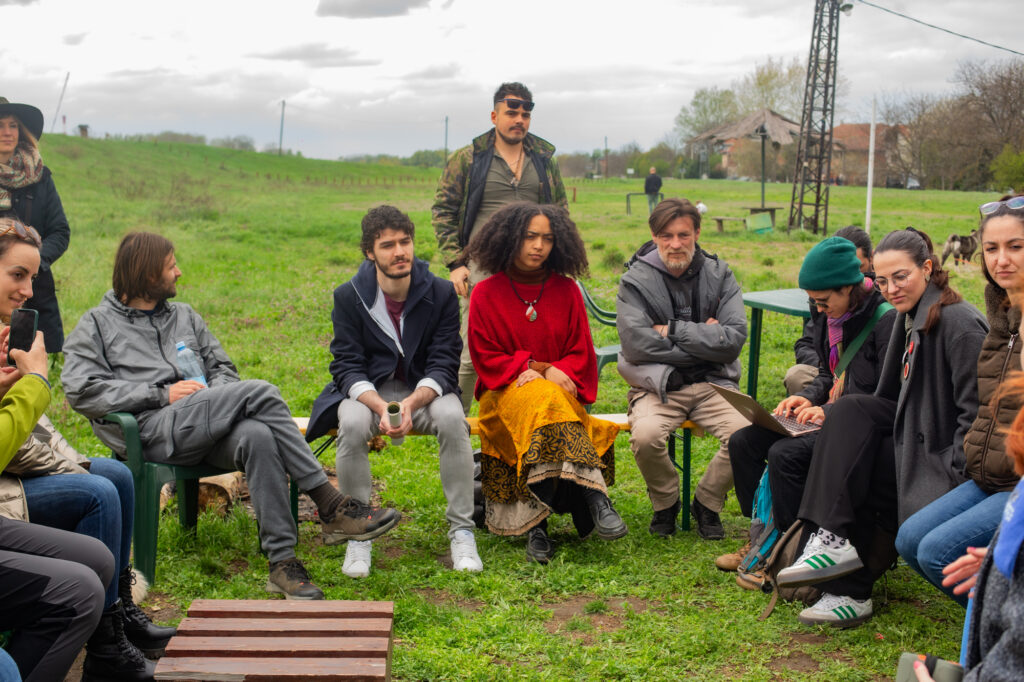
While the program during the first day of the conference was open to the public, during the second day participants from the region and EU countries devoted themselves to a closed program. After the introduction session and exchange of experiences, they had the opportunity to listen to Sandra Jovanović’s lecture on EU regulations aimed at mitigating climate change and strengthening biodiversity. In the first part of her presentation, Jovanović outlined the damage and risks of climate change, and in the second part she focused on documents such as the Green Agenda and the European Green Deal, the Green Agenda for the Western Balkans, the Wild Bird Conservation Directive, the Nature Restoration Act and others.
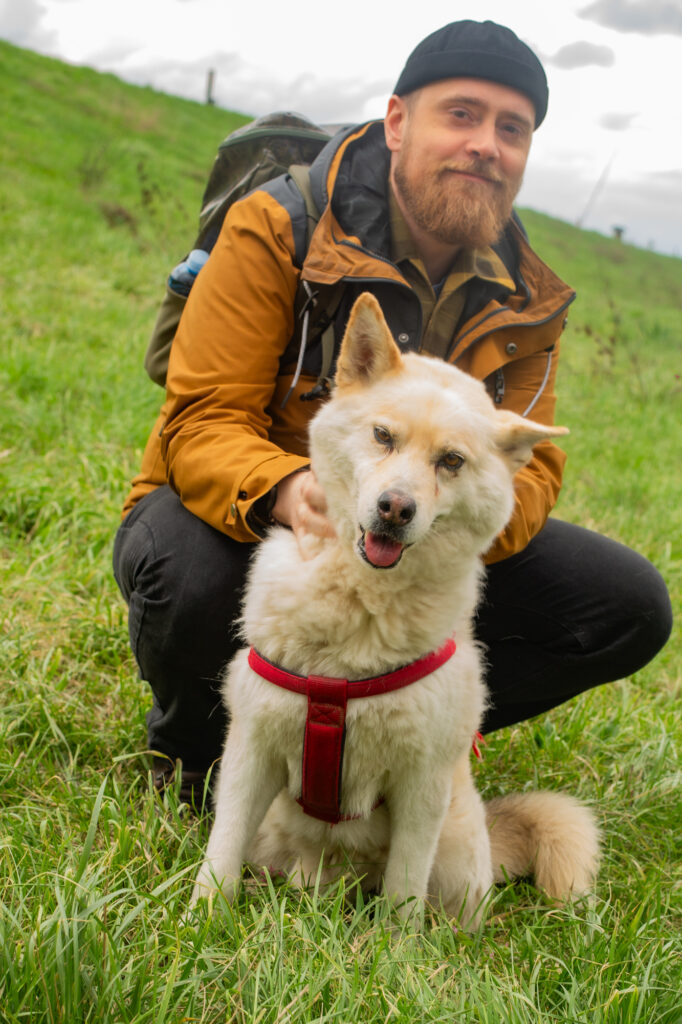
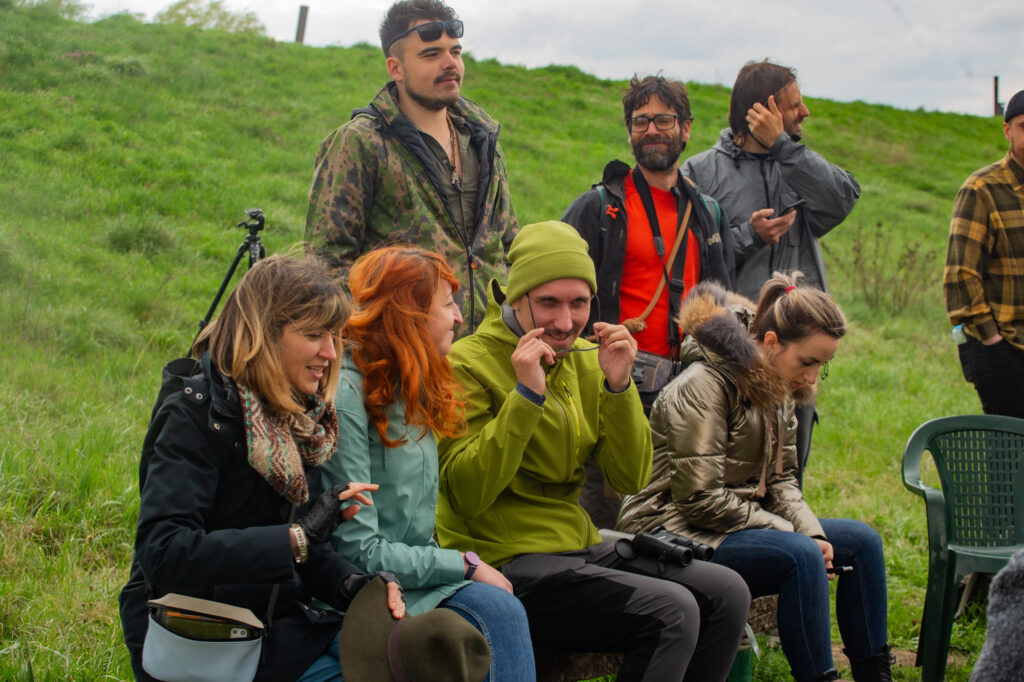
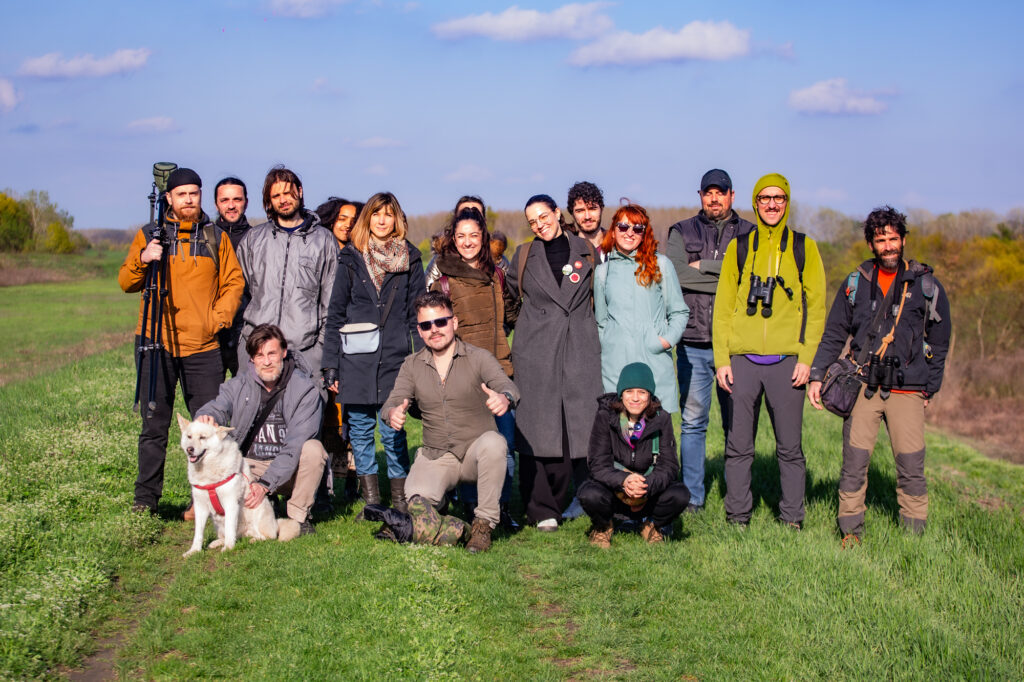
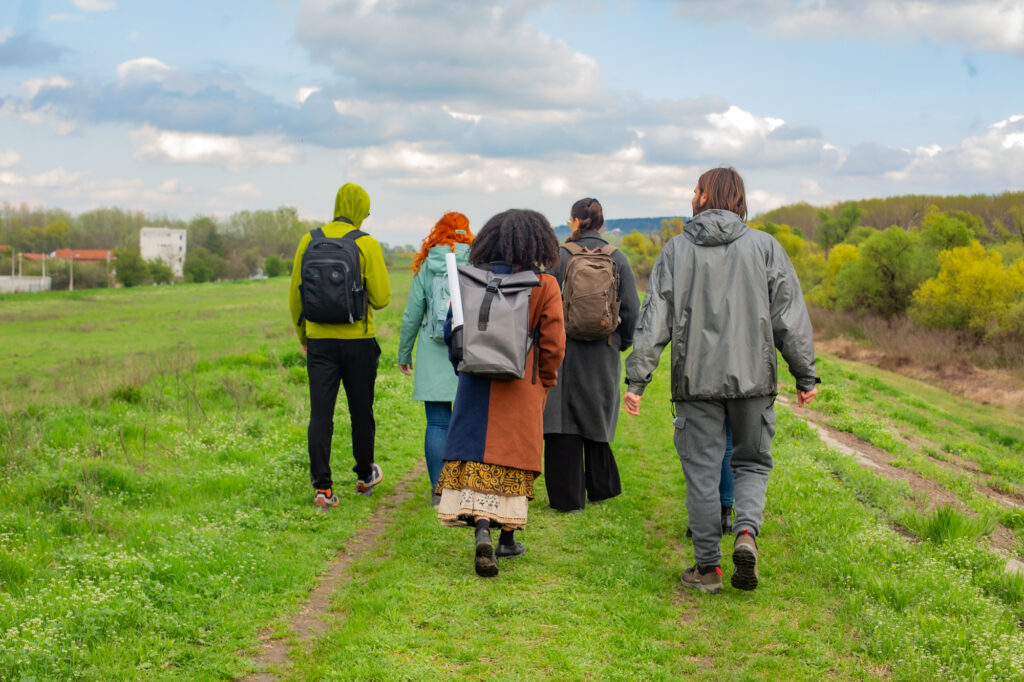
The afternoon of March 29 was spent on a study visit to Bari Reva, the future nature park on the left bank of the Duava in Belgrade. Bara Reva is a natural habitat on the left bank of the Danube, ten kilometers from the center of Belgrade. It is home to over 300 plant and animal species, including many protected ones, and the rare white-tailed eagle nests there, which is why it belongs to internationally recognized IBA areas.
Activists from the local organization White Heron 1165 directed the conference participants to fight for the defense of this wetland, which is threatened in 2021 by the unloading of tons of construction waste. A mountain almost ten kilometers long and 30 hectares in size had already been made from the rubble that was unloaded in Bar Revo when the citizens stood in front of the truck and prevented further devastation. They organized a protest camp and a media campaign for protection that bore fruit. Instead of the previously planned 80-hectare landfill, activists hope Reva will become a protected area.
In November 2021, the Institute for Nature Protection proposed to the competent institutions that the area of the Reva pond and its immediate surroundings and part of the floodplain should first be identified and defined as a public green area of the city of Belgrade, and in April it prepared a study on the protection of the “Reva pond” area. Institutions have been silent ever since. Activists, however, point out that Reva is alive. Academy participants saw with their own eyes one of the four active white-tailed eagle nests, learned that Bara Reva is part of the European bicyclist network and that professional excursions and ornithological gatherings are often organized there.
This event was organized by the Green European Foundation with the support of Polekol and the financial support of the European Parliament.