

We often imagine extractivism as something that happens far away and to some other people. However, it is also deeply present in our immediate environment. Eastern Serbia, especially Bor and Majdanpek, are today one of the most obvious examples of how industrial development can turn into a systemic sacrifice of people and nature.
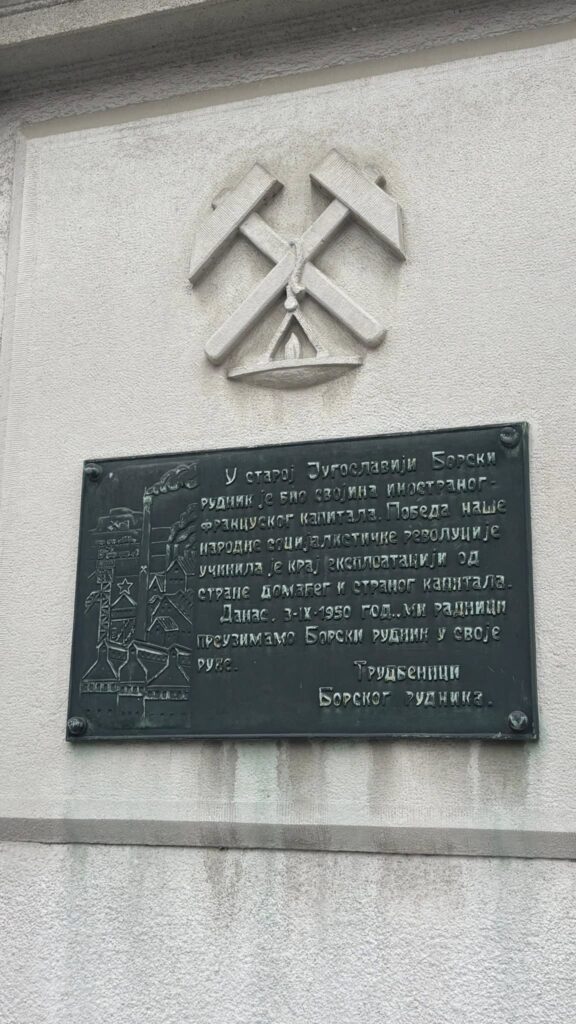
The former RTB Bor was one of the pillars of Yugoslav industry, a complex that employed tens of thousands of people, financed the development of infrastructure, participated in the electrification of large parts of the country and played a significant role in the economy of the country at that time. Revenues from this system contributed to the financing of large social projects, including the Winter Olympics in 1984. Pine was a symbol of progress, technological development and industrial power.
Today the picture is radically different. After privatization and the arrival of the Chinese company Zijin Mining, the intensity of ore exploitation increased significantly, while the consequences for the environment and human health became increasingly visible and serious.
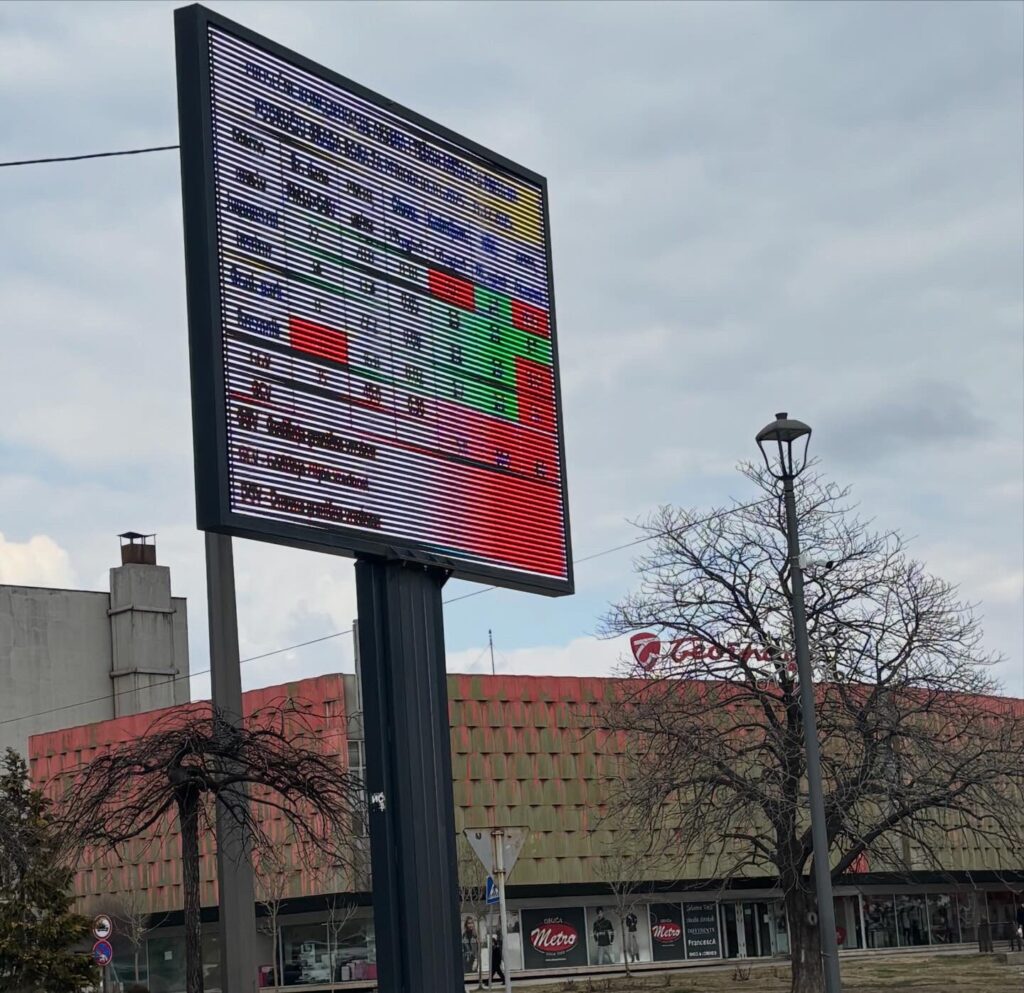
Air pollution in Bor has been exceeding all limits for years. Emissions of sulfur dioxide (SO₂), heavy metals and particulate matter regularly exceed World Health Organization recommendations. Data from the Institute for Public Health of Serbia ‘Dr. Milan Jovanović Batut’ indicate an increased risk of respiratory and cardiovascular diseases among the population, while local doctors and activists have been warning for years about the long-term consequences of exposure to pollution, including an increased number of malignant diseases. Soil and watercourses are also contaminated with heavy metals, further threatening food and water safety.
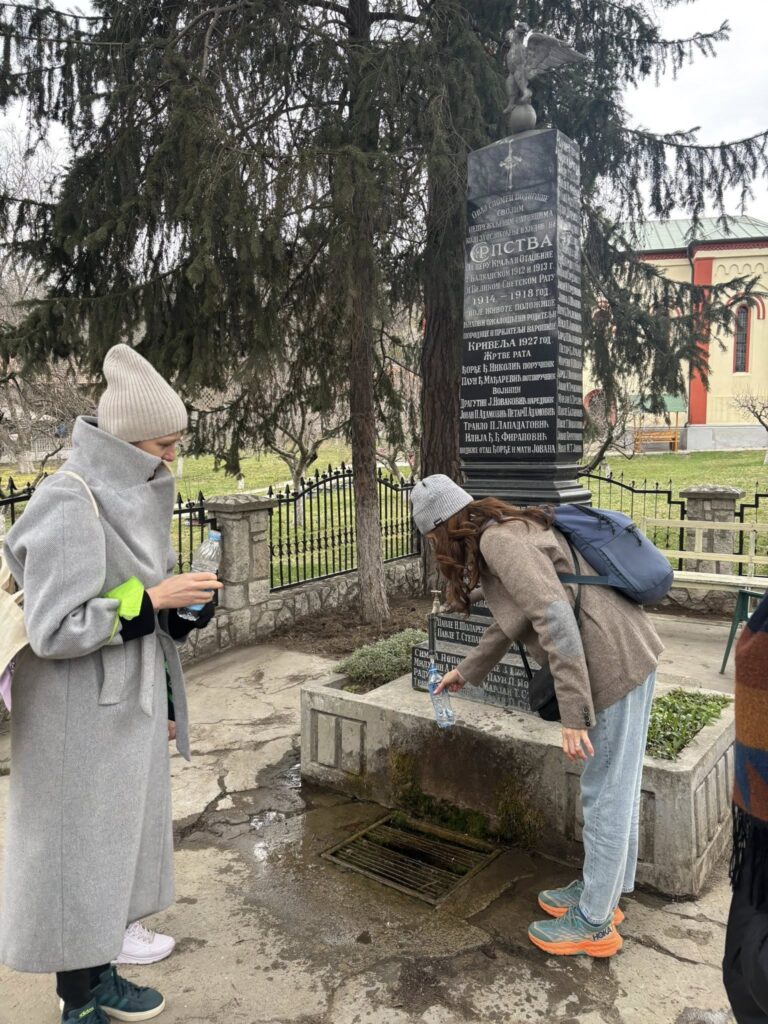
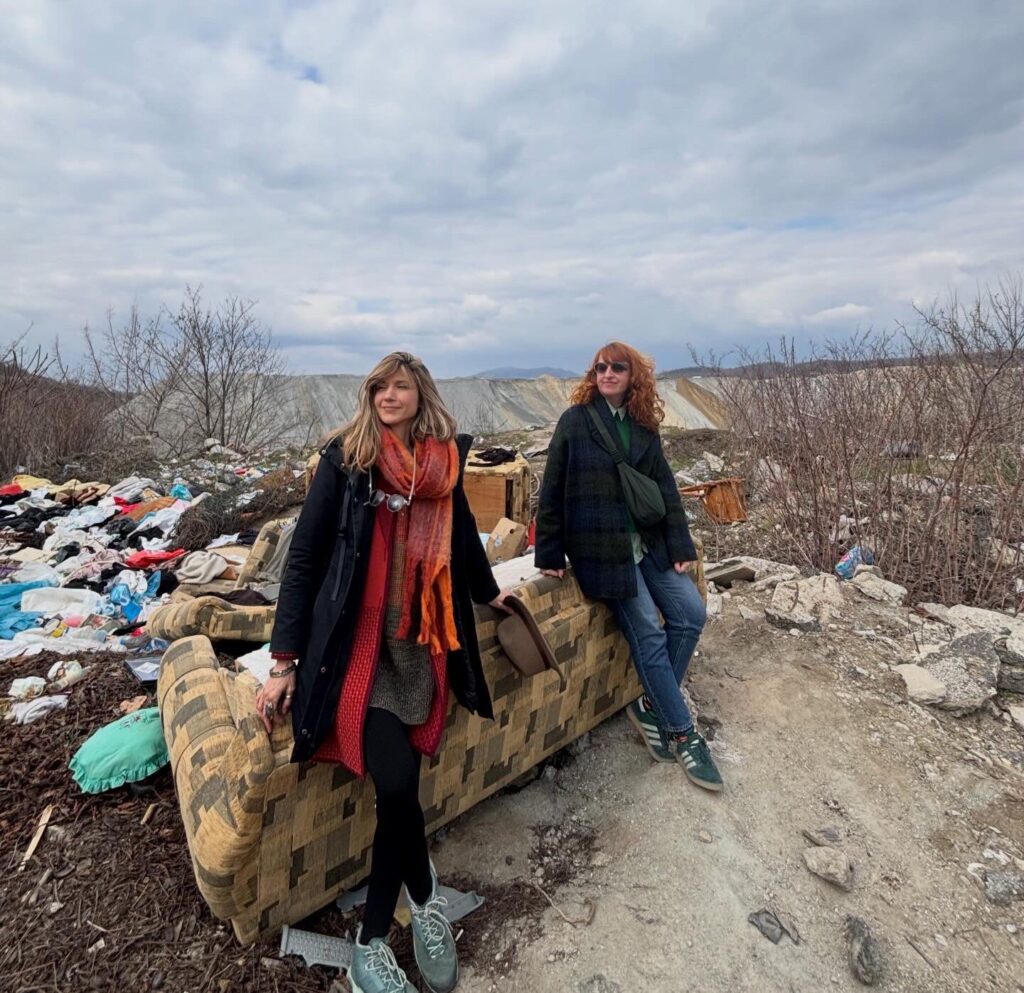
In Krivelje, the situation is even more dramatic. This village, which used to be the pearl of eastern Serbia, is today on the edge of mining pits and tailings that threaten to bury it. Locals have been living with constant noise, dust and vibrations for years, while their properties are gradually collapsing. During 2025, residents of Krivelje organized roadblocks that lasted more than 70 days, demanding fair compensation and organized relocation to a safe location.
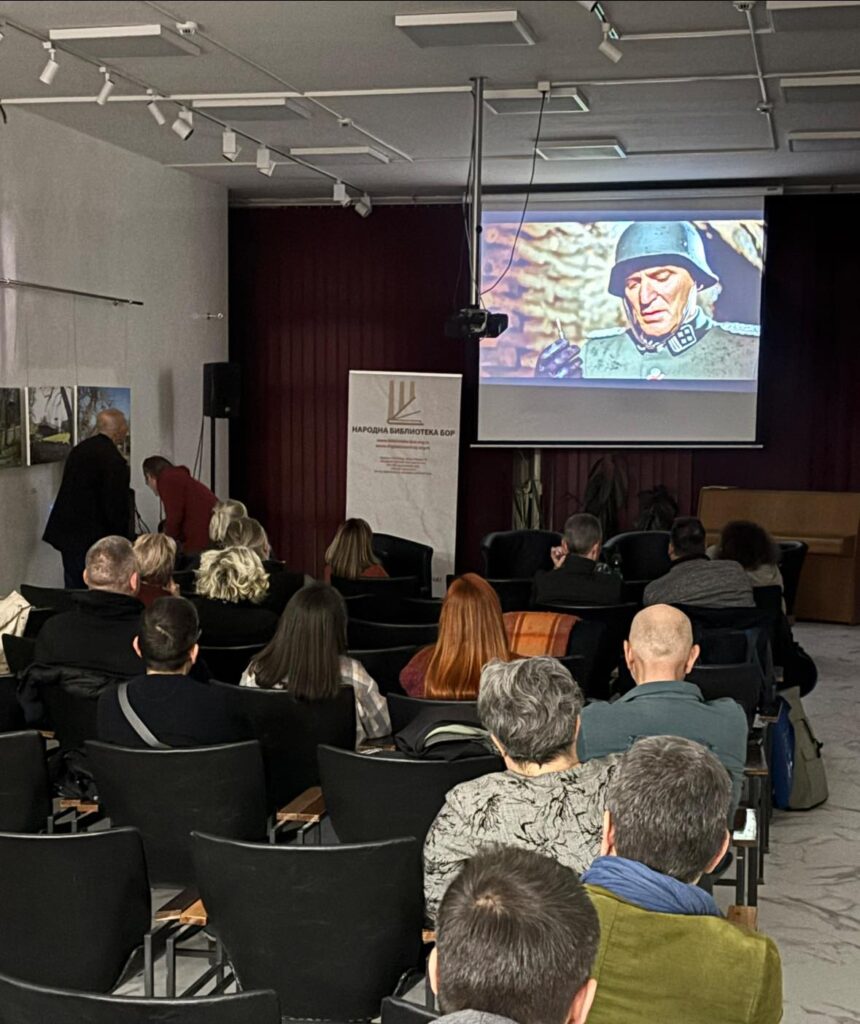
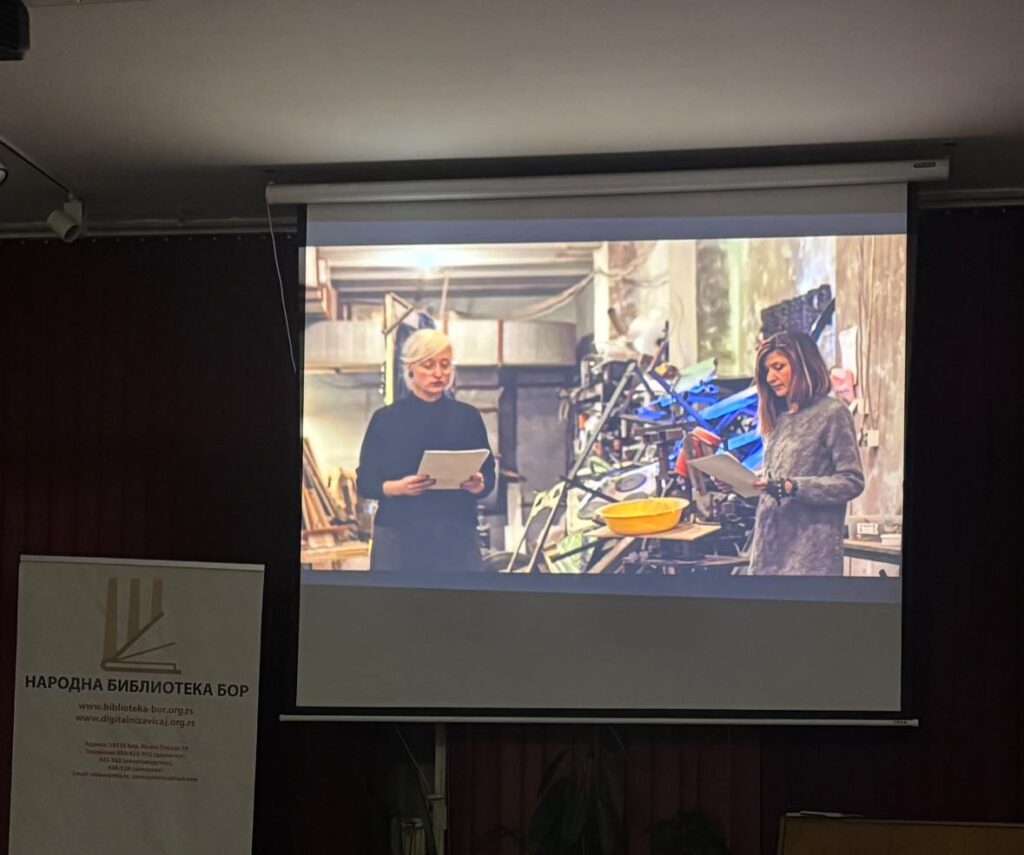
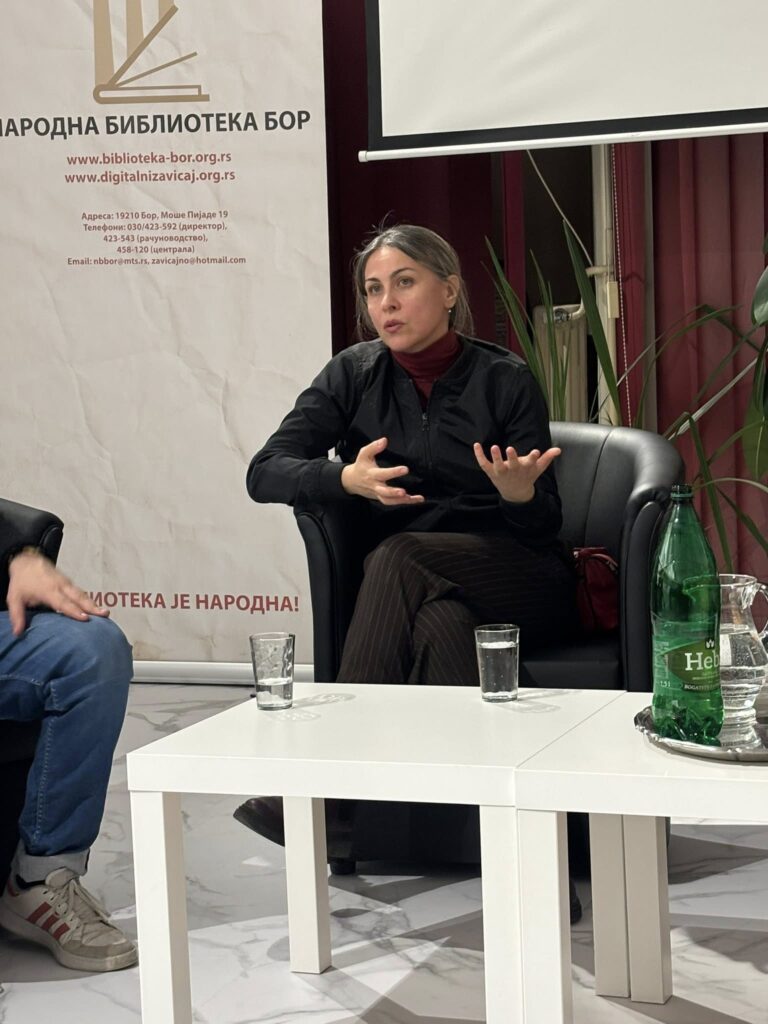
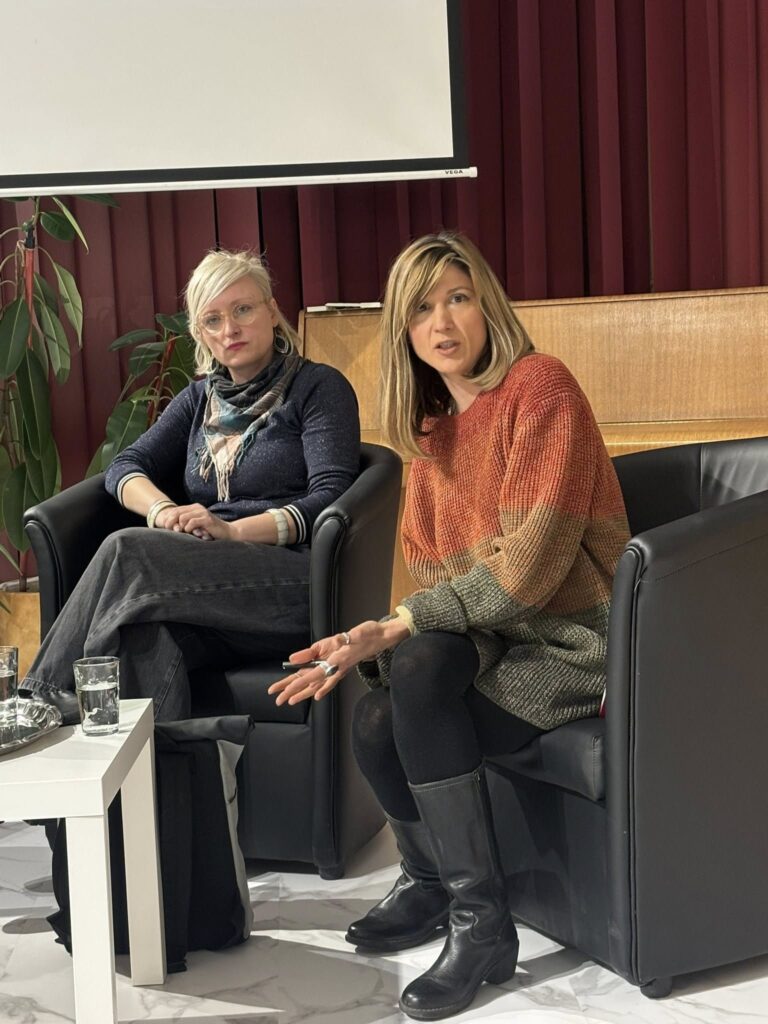
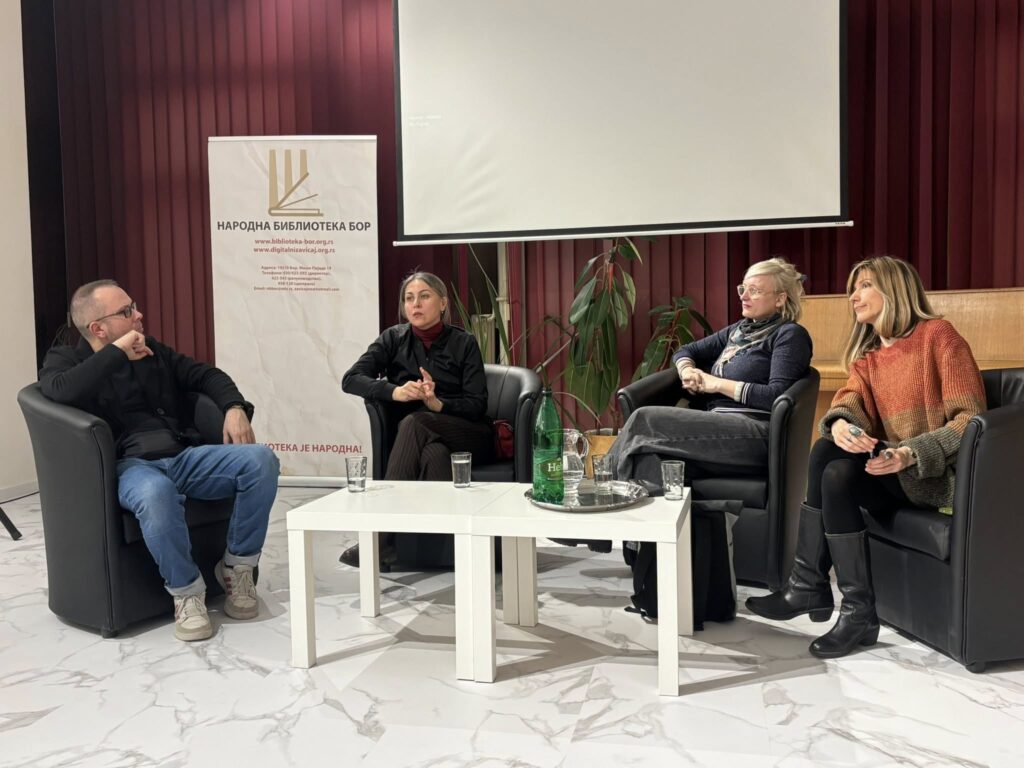
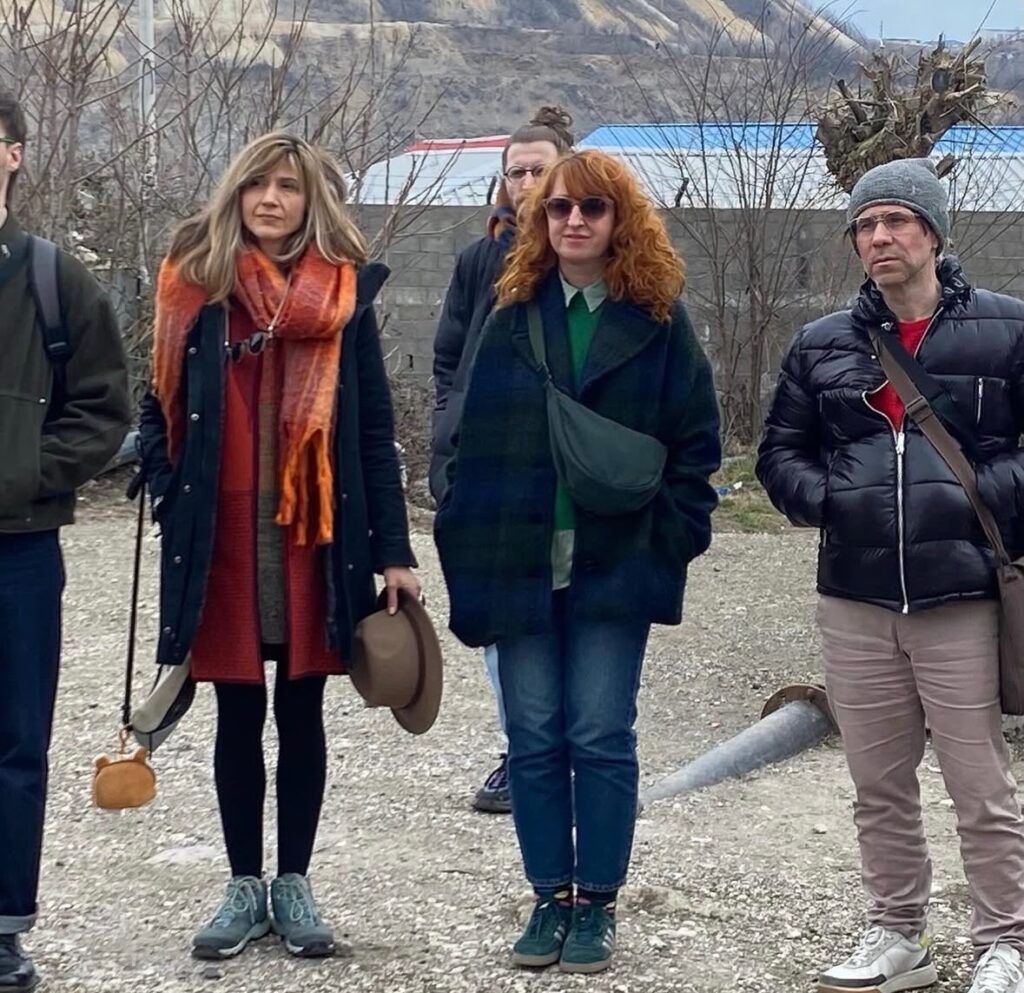
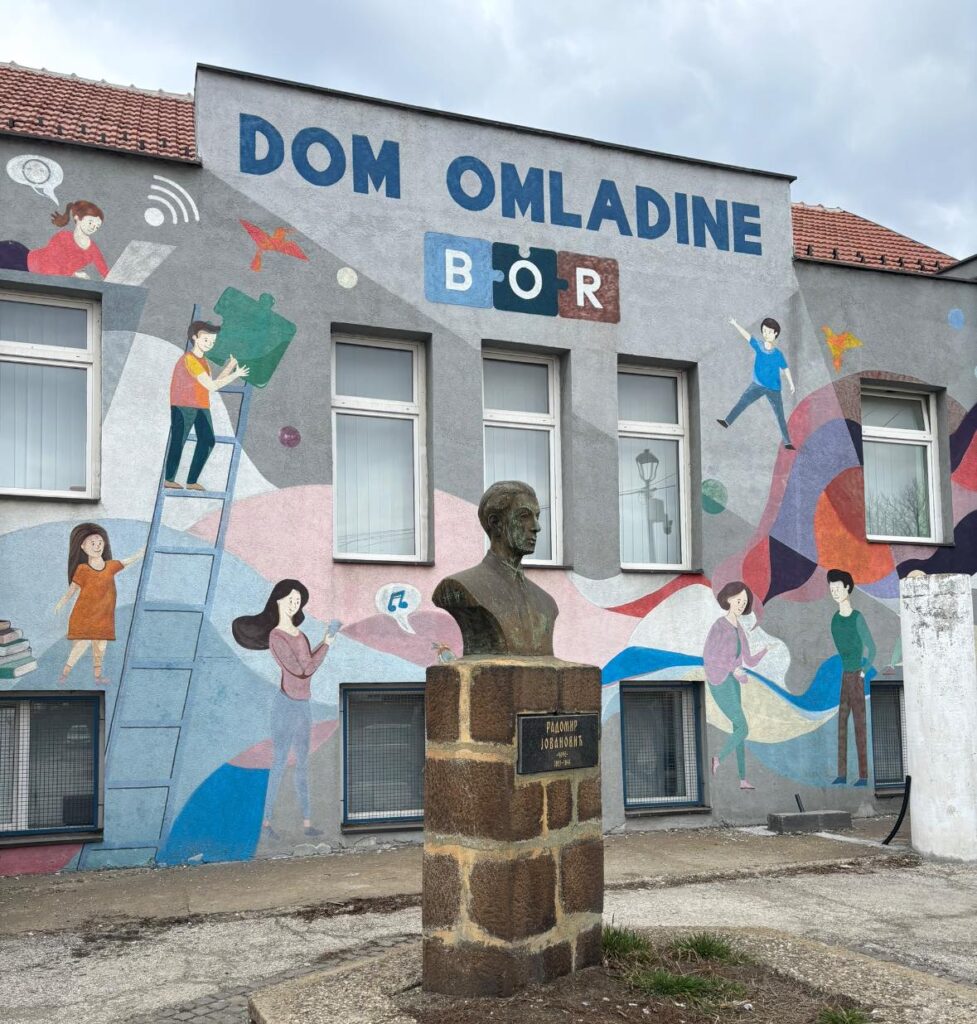
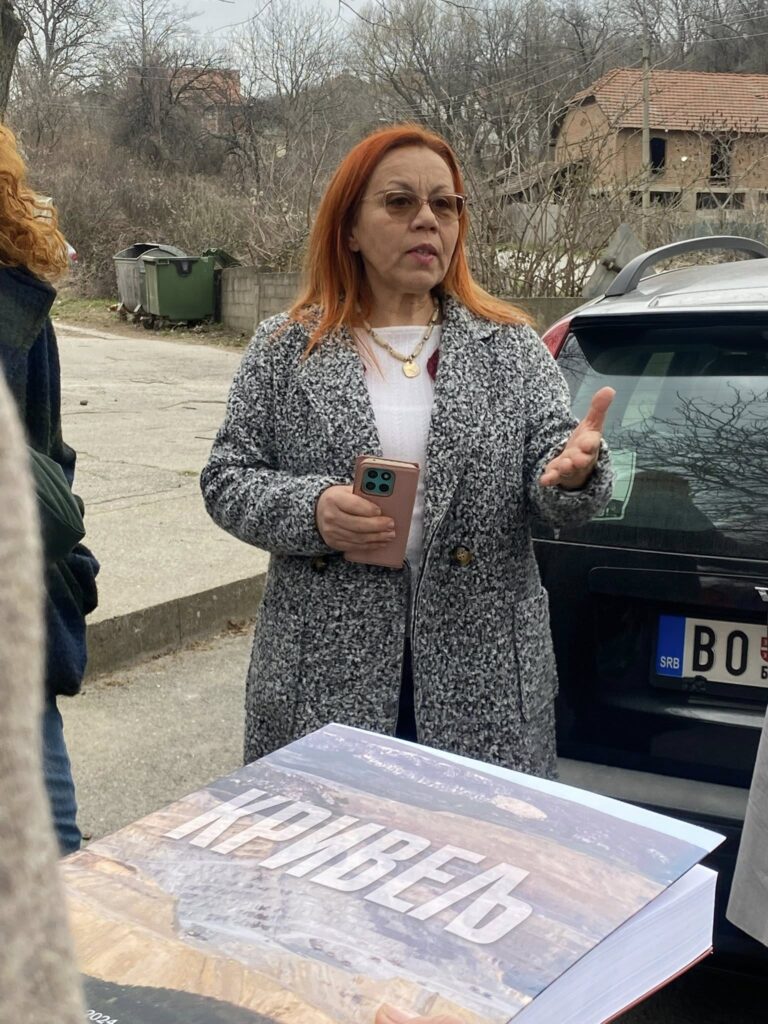
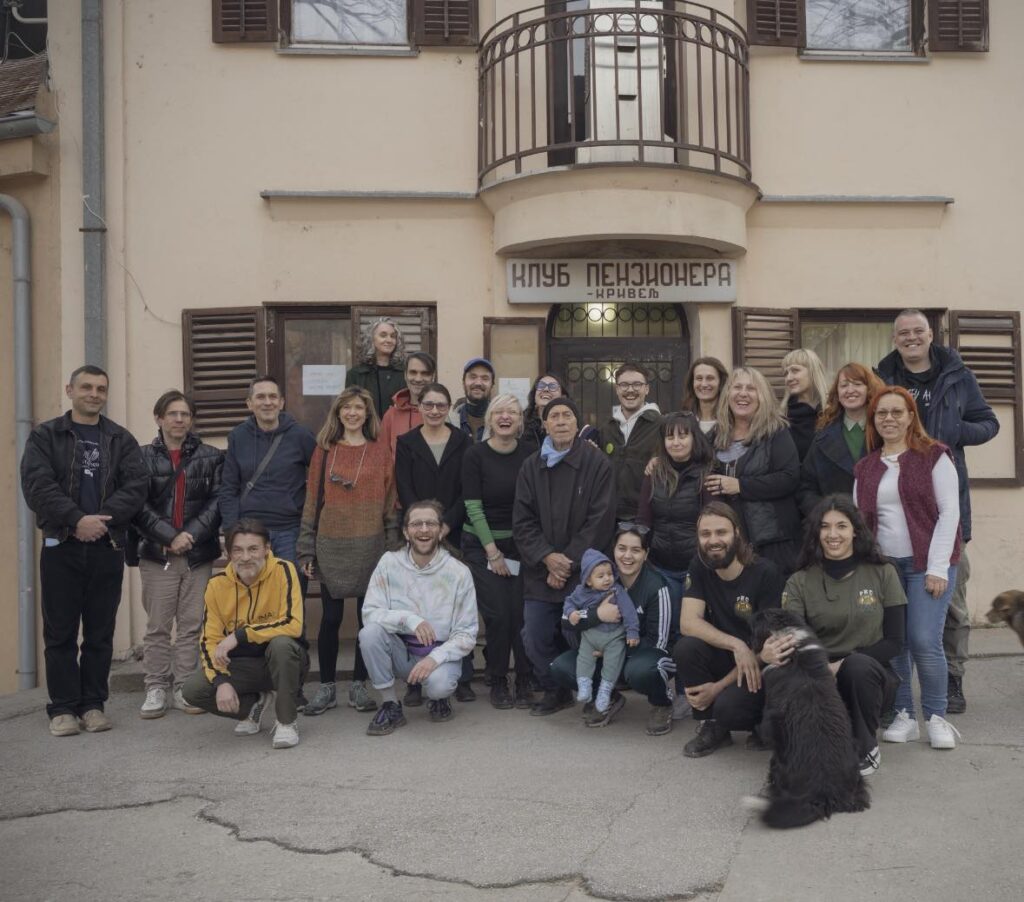
Polekol and the Right to Water initiative spent the previous week in Bor and Krivelje, in order to talk first-hand with experts, activists and citizens about the scale of this problem. In the National Library of Bor, a forum was held on the occasion of the screening of the video essay “Where the future sprouts – The case of Bor”, a joint work of the Kontekst collective and the artistic duo Doppelgenger. This event opened a space for the exchange of experiences and knowledge about how mining affects the daily life of people, but also the long-term perspectives of the development of this region.
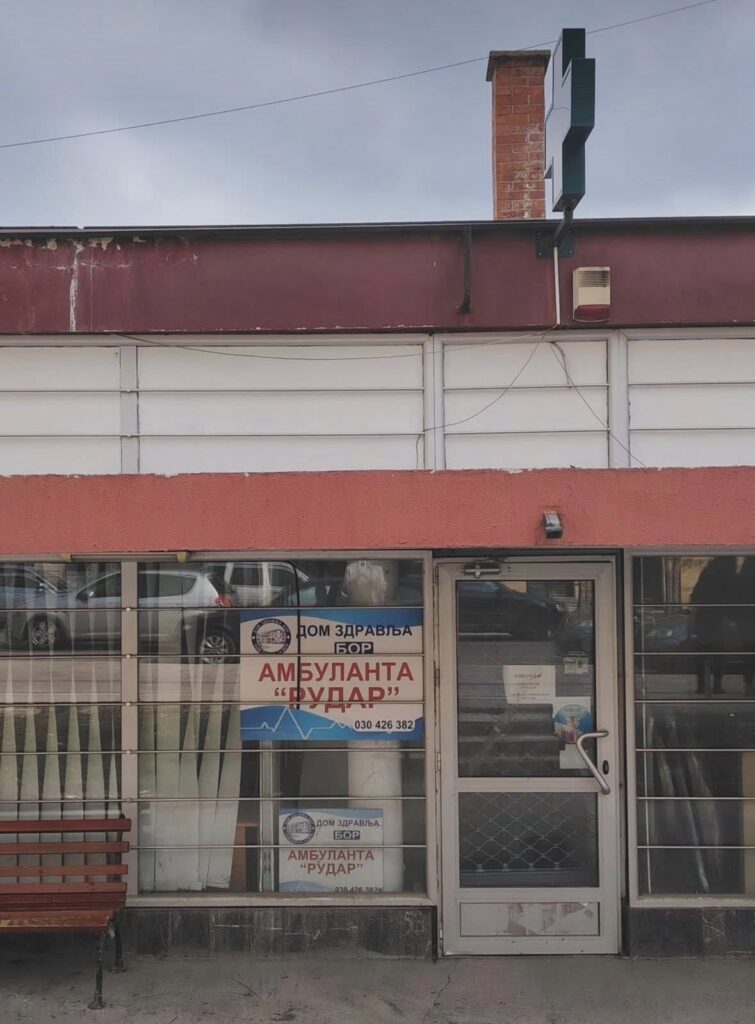
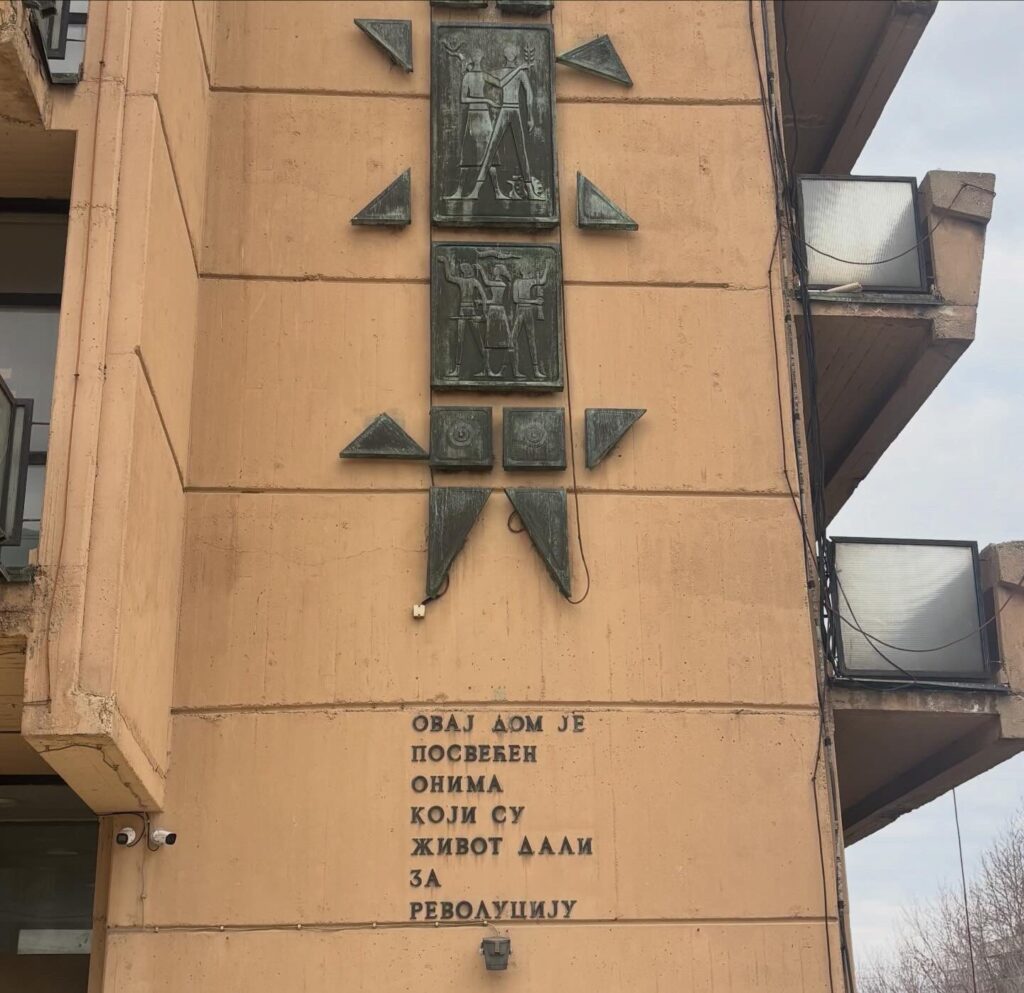
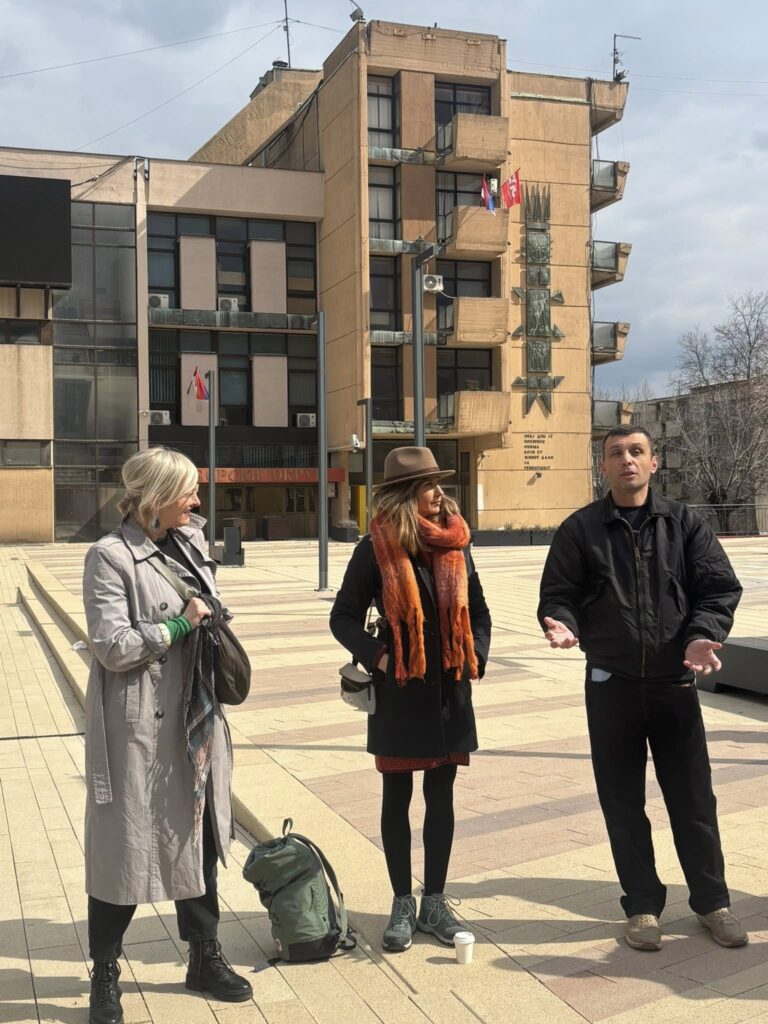
The talks continued through a guided tour through the city of Bor, where the participants had the opportunity to see the scale of industrial plants and their immediate consequences, and then in Krivelje, a place that today symbolizes the struggle for the right to a dignified life in conditions of intense extractivism.
The story of Bor and Krivelje is not just a local story. It raises a key question: who bears the cost of resource-intensive “development”? As copper and other metals from this region are exported and incorporated into global production chains – including technologies often presented as “green” – local communities are left facing pollution, health risks and the loss of basic livelihoods.
That is why it is important that we do not talk about these places as peripheral problems, but as central issues of social and environmental justice. Bor and Krivelj remind us that the fight for nature is always also a fight for people – for their health, dignity and the right to decide on their own future.