

Author’s text of the Bird Protection and Study Society of Serbia
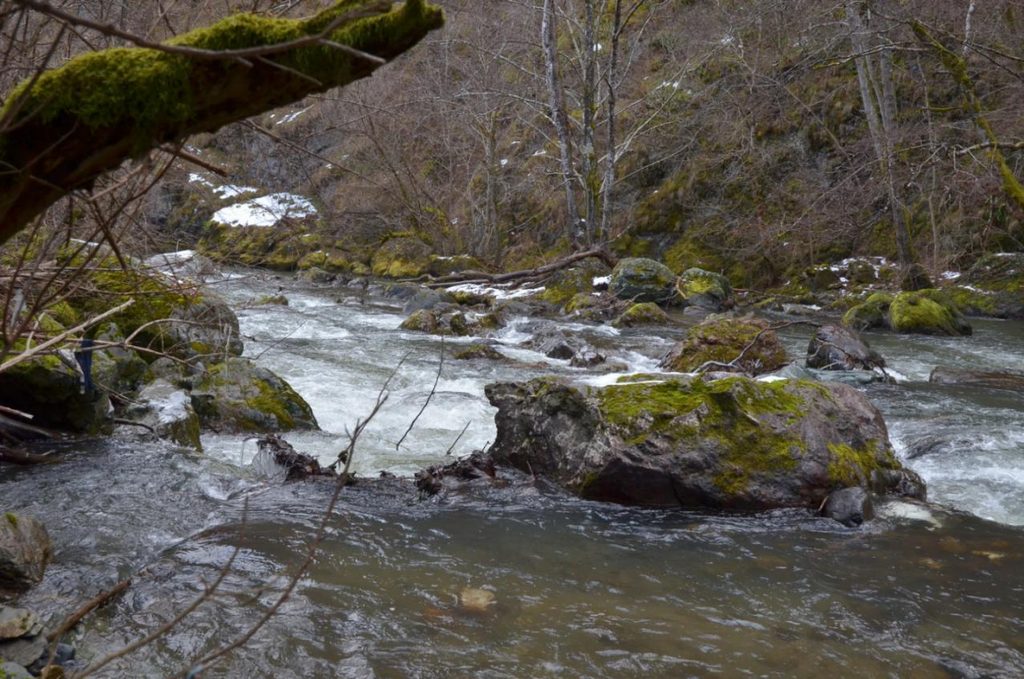
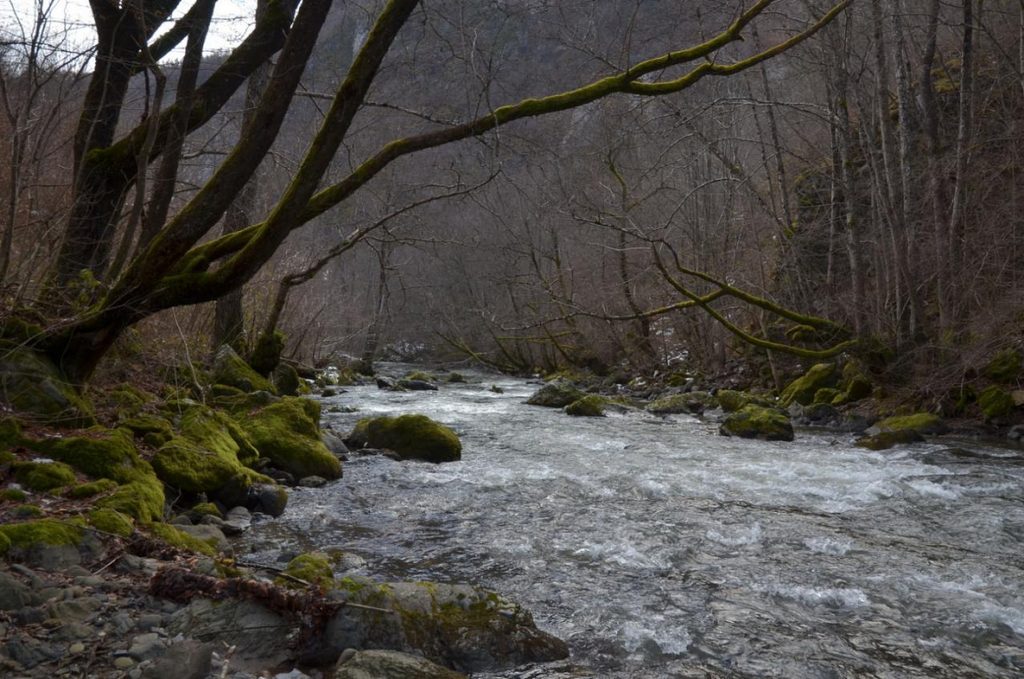
In February, the Bird Protection and Study Society of Serbia (BPSSS) received a request from the Organisation for Political Ecology Polekol to, if possible, help the defense of the Studenica River by having the Society’s ornithologists prepare an attachment for a letter to the Secretariat of the Berne Convention regarding the finding of birds in the lower reaches of the Studenica, which is threatened by the planned construction of the Studenica S4 Hydroelectric Power Plant. It was necessary to create a document in English with an interpretation of the data collected so far and an expert opinion regarding this issue.
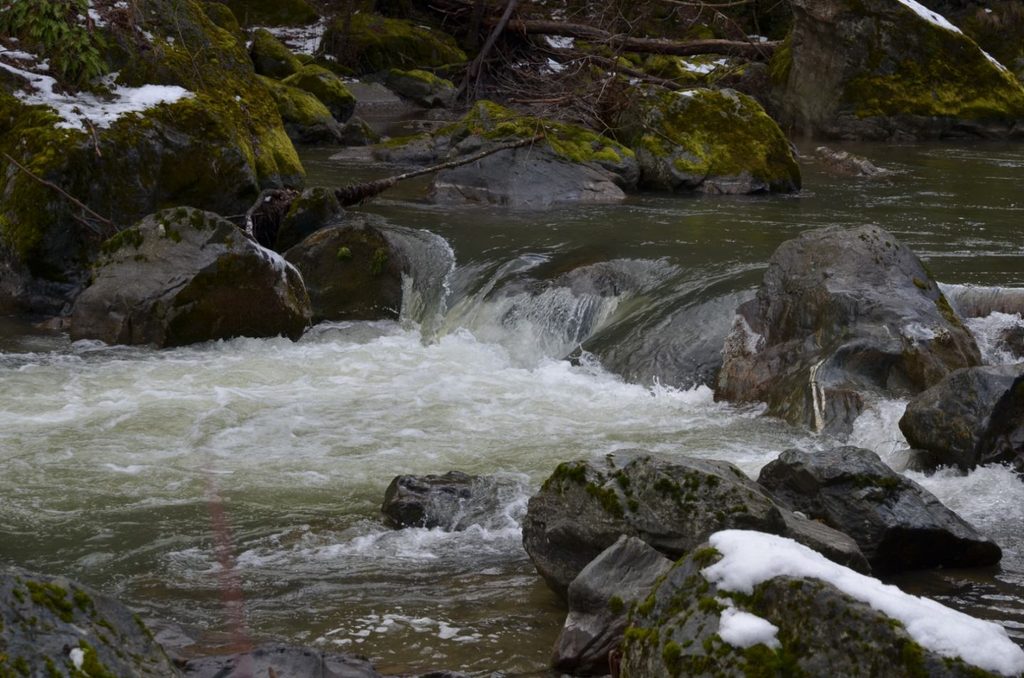
By building a dam (height 30m, crown width 100m) on a profile located at about 6530 meters upstream from the confluence of Studenica and Ibar, a reservoir will be formed, the elevation of which during exploitation will be maintained at an elevation of 404 masl . The volume of the storage space at the height of the normal slope is about 467,400 m 3 .
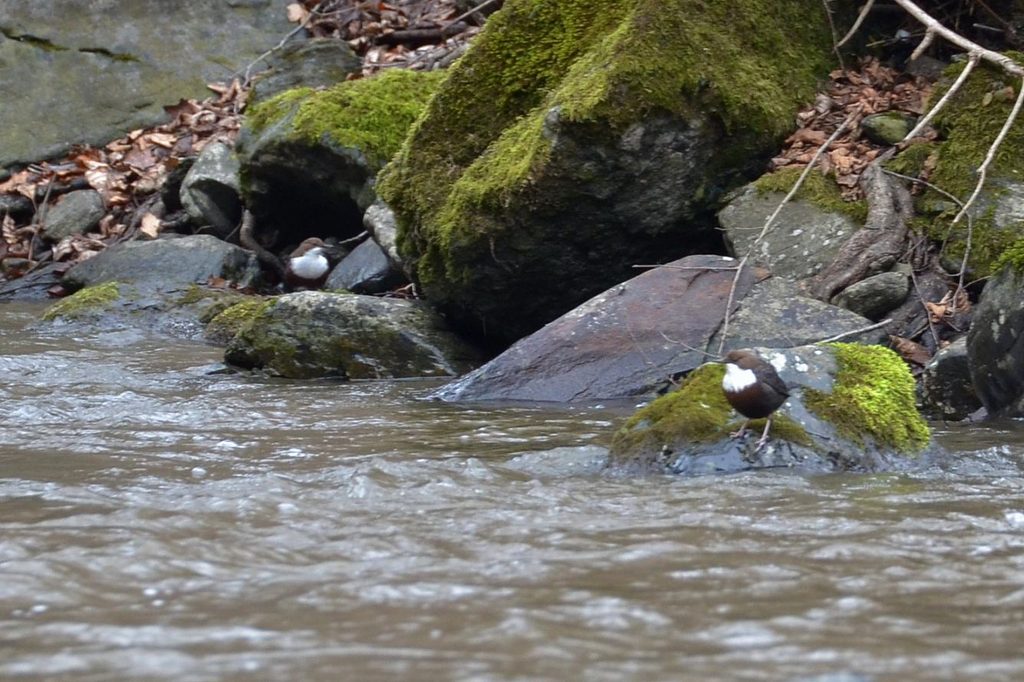
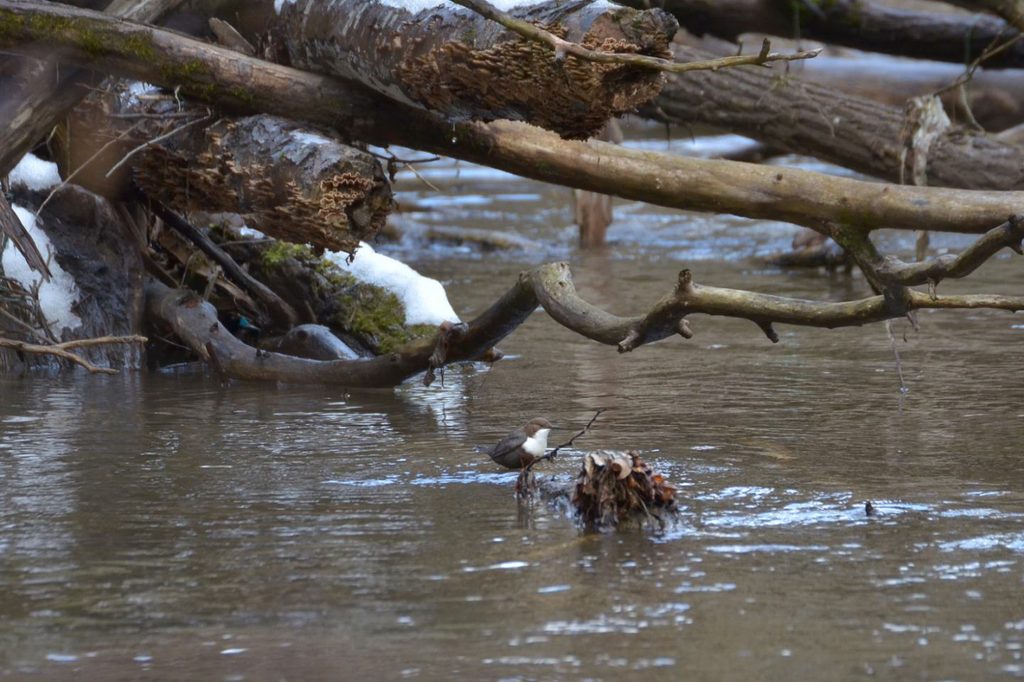
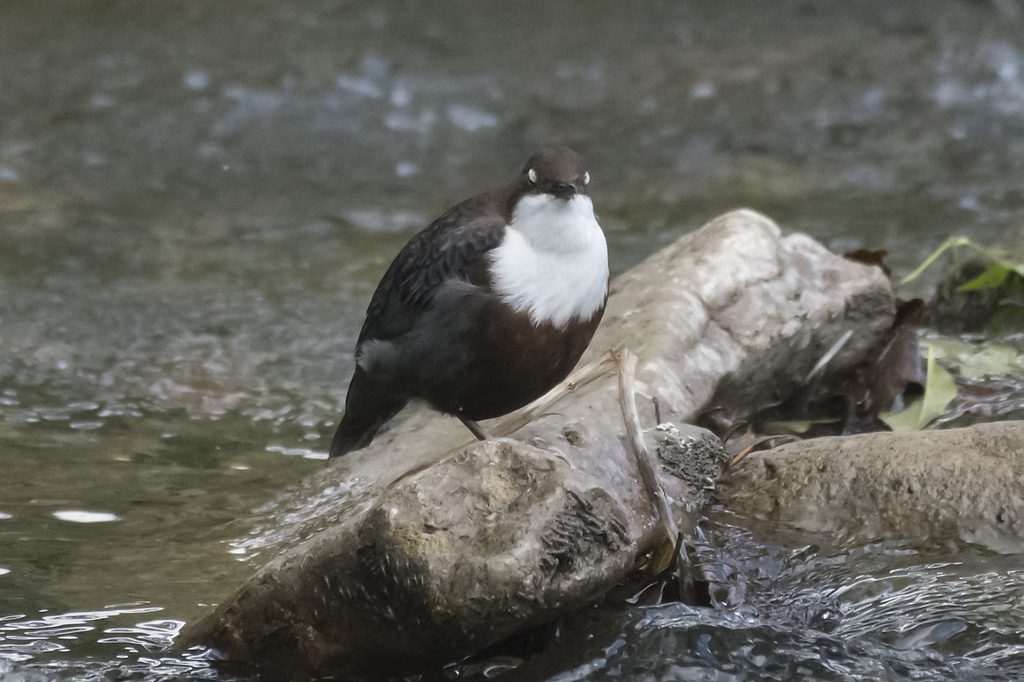
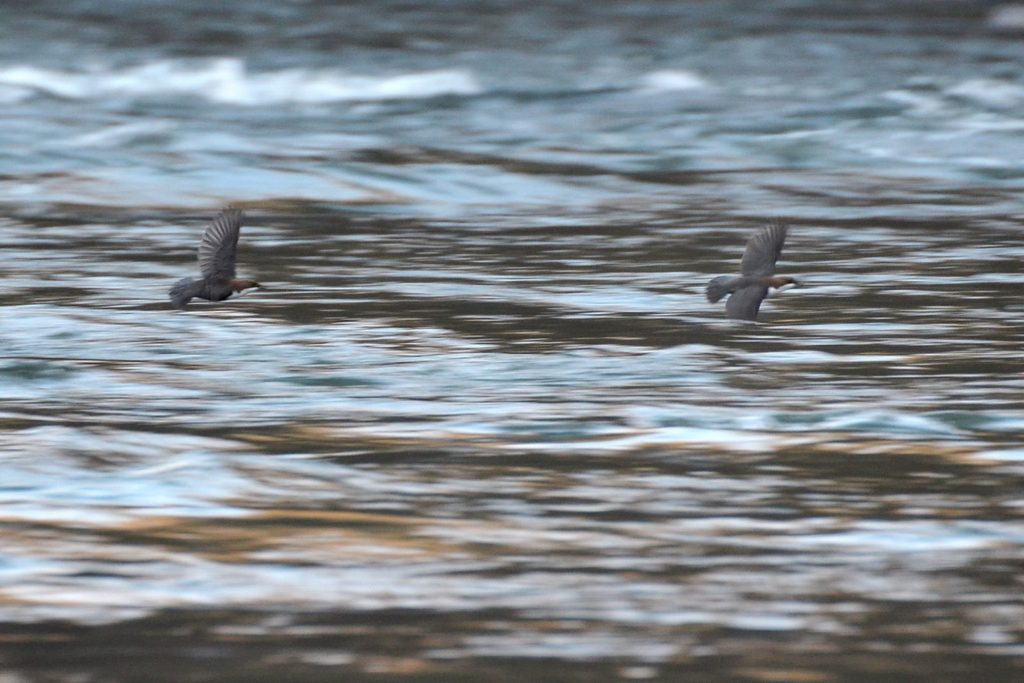
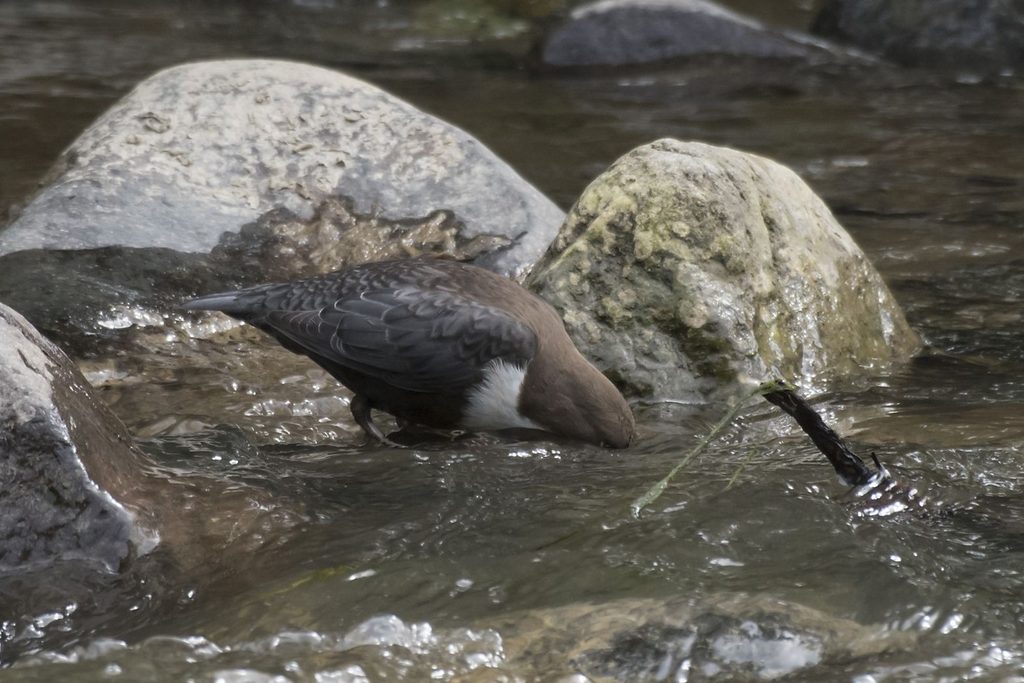
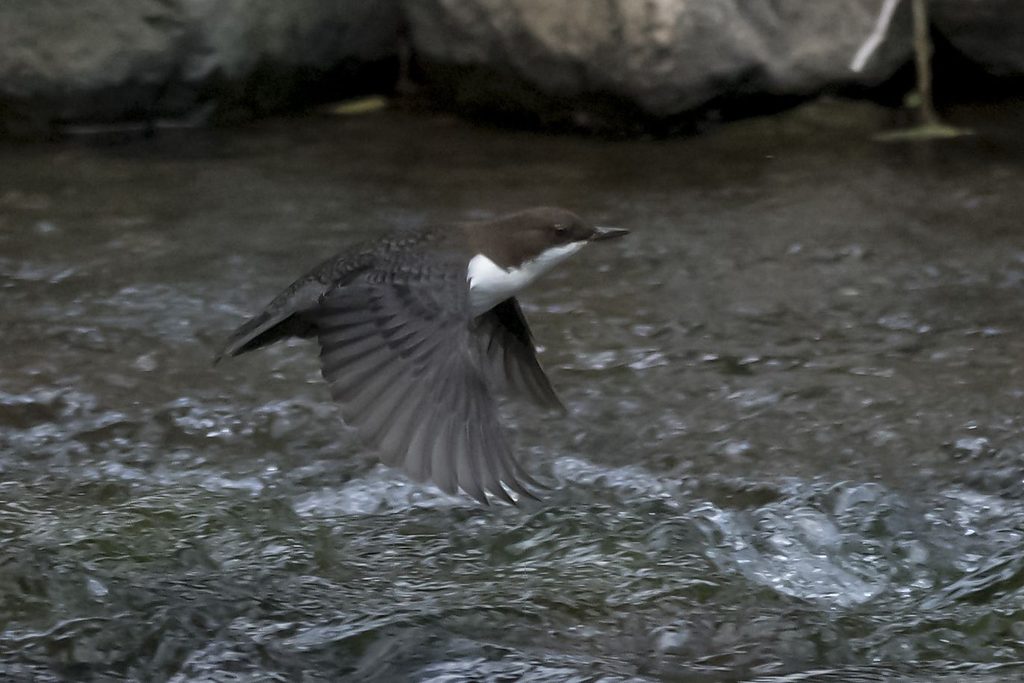
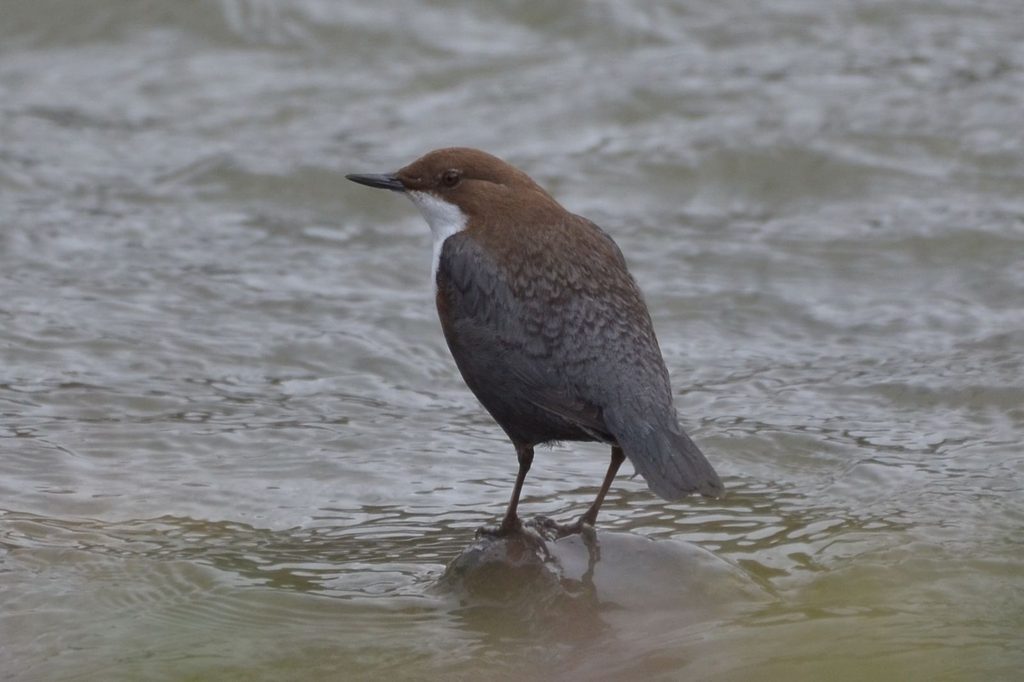
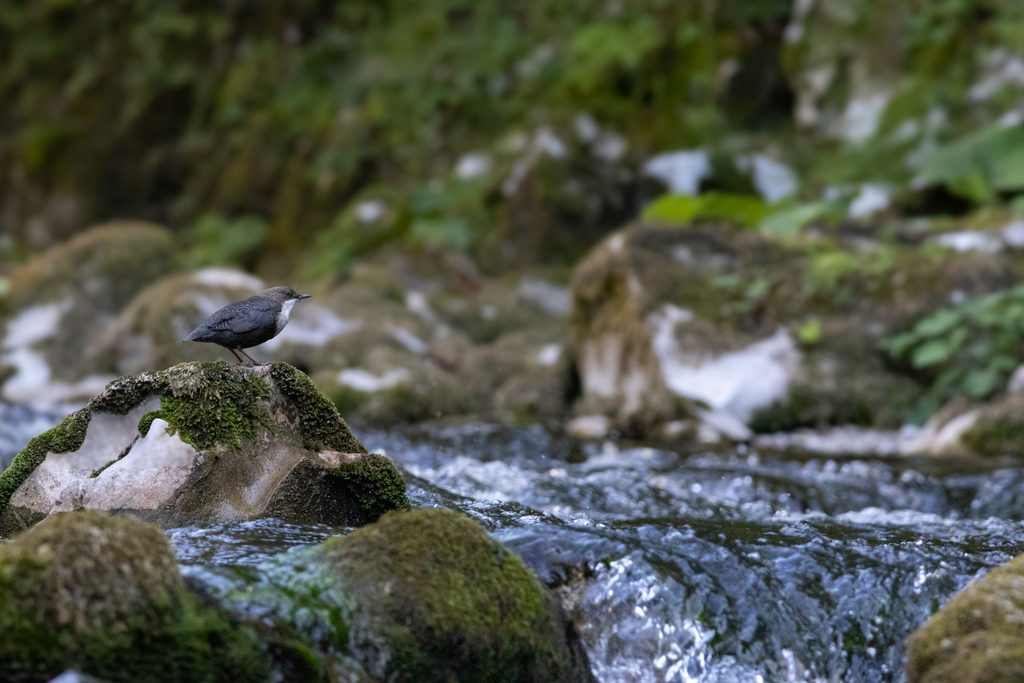
By analyzing the database collected in a radius of 500m around the considered area, the presence of at least 102 species of birds was established, and the most data was collected by Miroslav Milićević, a local member of the Society. Most of the listed species are strictly protected or protected species, and forest and mosaic species of open habitats dominate among them. Nevertheless, among the above, the most significant bird species on Studenica is the white-throated dipper( Cinclus cinclus ), the only warbler that feeds on aquatic invertebrates by diving and hunting them around the rocks at the bottom. Given that they cannot hunt in polluted and cloudy waters, nor can a diverse fauna of insects survive, water otters are an indicator of preserved mountain rivers.
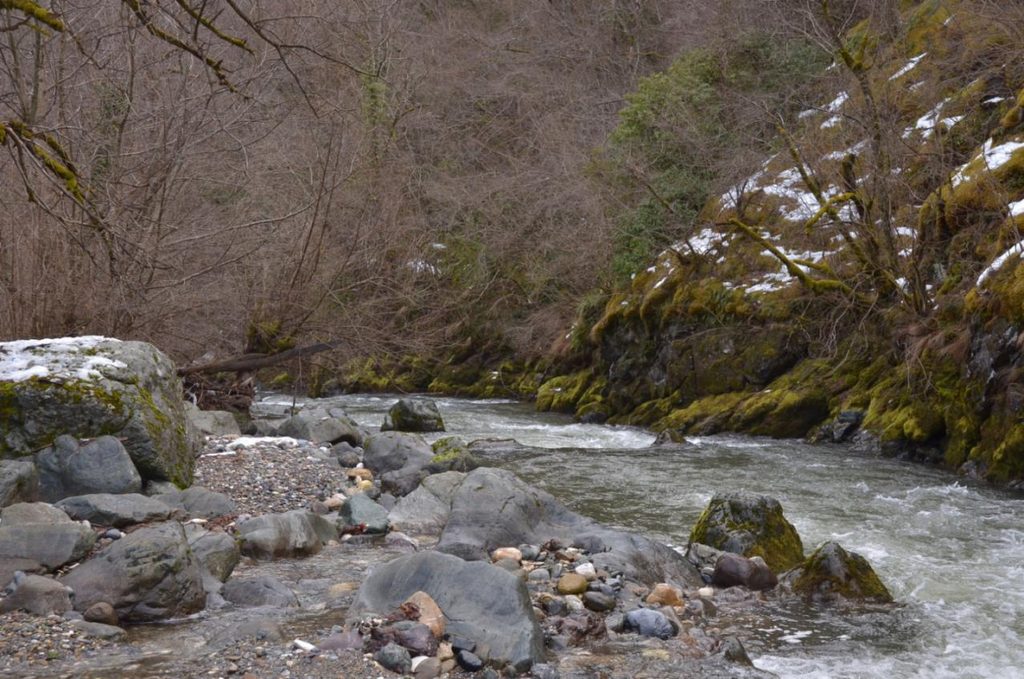
Studenica with its tributaries is, in addition to Lopatnica to the north, the only remaining unpolluted and undammed river in the Ibar basin where there are large numbers of kingfishers nesting, while its main tributaries are mostly in pipes (Grajićka river, Brevina, Savošnjica). Based on the data from the winter bird count of water habitats on Studenica during 2020, 2021 and 2026 and extrapolation to the entire watercourse, the presence of 200-300 kingfishers is estimated, of which the largest number is present in the lower stream, which is now threatened by submergence. This is precisely why it is necessary to preserve the river Studenica in its original form, because it currently represents the last real refuge for kingfishers in this part of Serbia.
Based on various negative factors, it is possible that the number of white-throated dippers in Serbia has already decreased to below 2,000 pairs, which is the size of the population of one small village in Serbia. Projects such as the partial submergence of Studenica further accelerate the disappearance of this species because they threaten the nesting and wintering grounds of white-throated dippers, and change the chemistry of the river itself.
Considering the importance of the Studenica river as one of the last larger, clean and preserved rivers in Serbia, and possibly the most important river for nesting and wintering of the nationally endangered kingfisher, the Bird Protection and Study Society of Serbia strongly opposes further degradation of the river!