Extractivism
Extractivism refers to development models that rely on intensive exploitation of natural resources – such as mining, logging and water exploitation. In this category we deal with the consequences of such practices on local communities, ecosystems and social justice.
Questions about who benefits and who bears the consequences are at the center of our analysis. We also highlight community resistance, alternatives and opportunities for more sustainable development models.
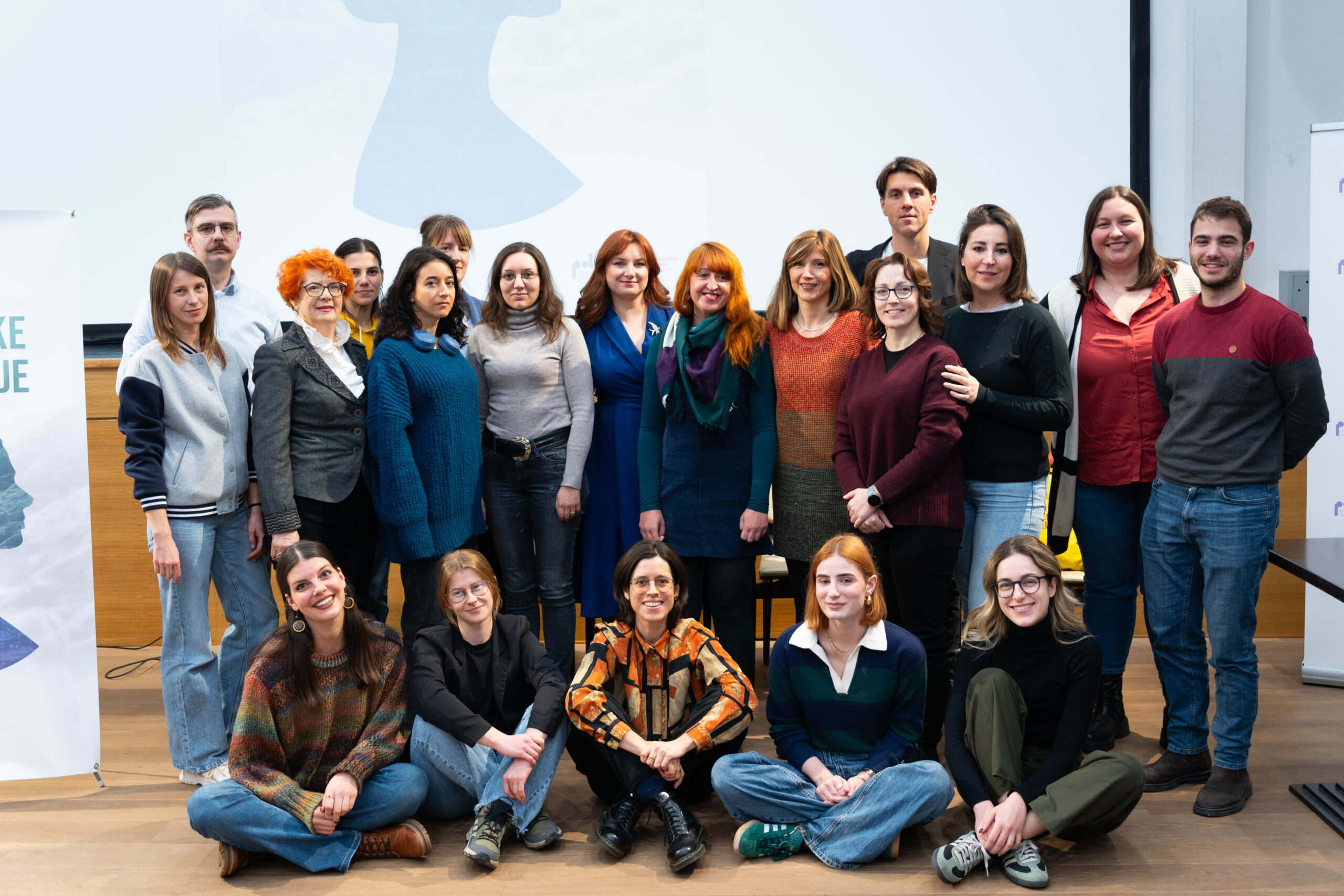
The third public event of the School of Political Ecology was held under the title "Extractivism and Renaissance". The students of the school, the audience and members of the Organization…

A large truck carrying sand on a platinum mining site in Africa
After decades of painstaking progress in environmental policies, the European Union is entering a phase in which, under the pressure of geopolitical tensions and the demands of big capital, it is increasingly openly renouncing its own progressive principles of environmental protection and public health.
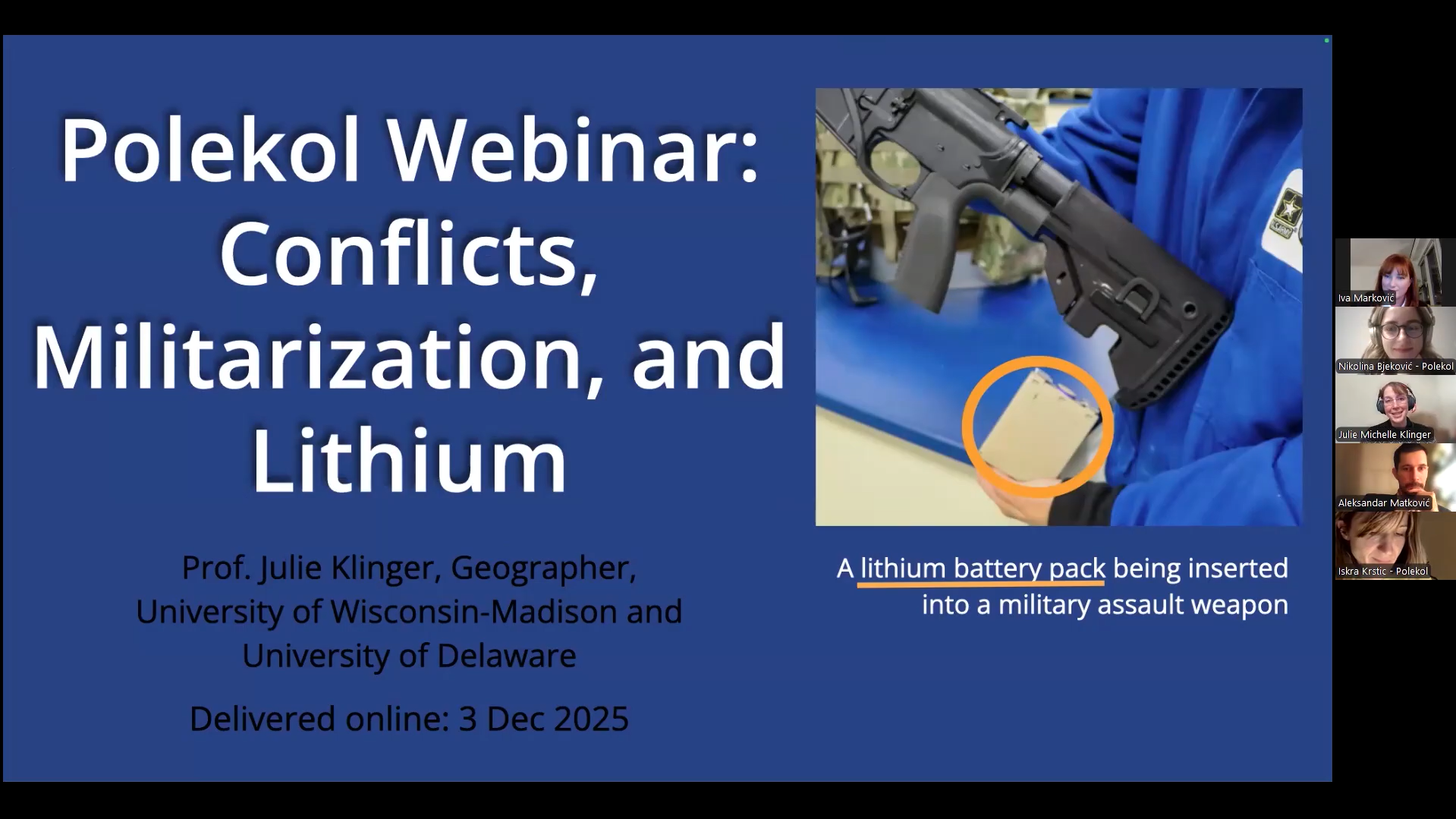
Conflicts, militarization, and the environment were the focus of the second public lecture of the School of Political Ecology, held on December 3, with presentations by researchers Dr. Julie Klinger and Dr. Aleksandar Matković.
The lectures and the accompanying discussion examined how armed conflicts, geopolitical tensions, and the current wave of intensified militarization affect nature and society. Held online via the Zoom platform, this public lecture connected issues of security, geopolitics, and ecology, creating space for reflection on alternatives to militarized approaches to natural and social crises.
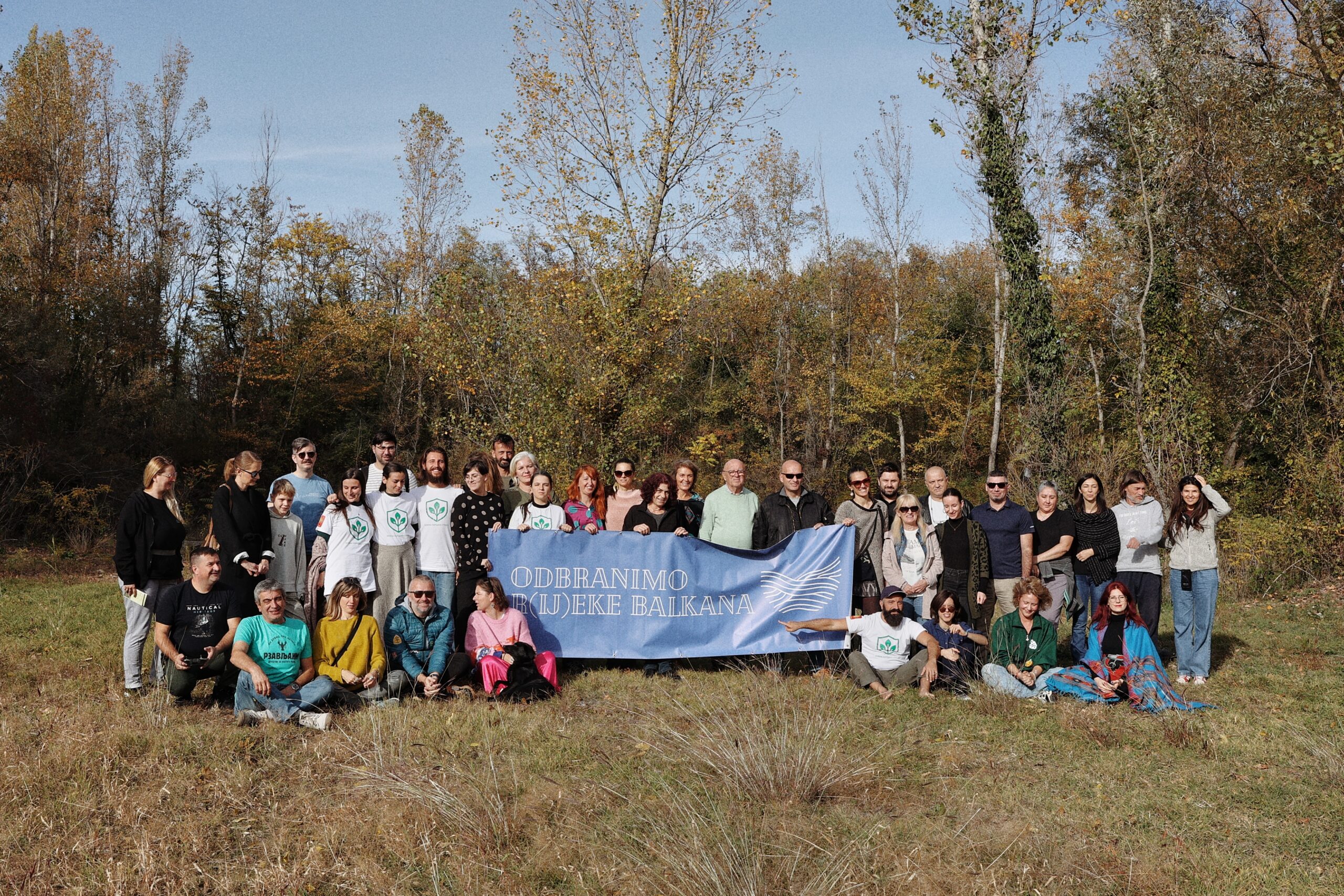
In the period from October 24 to 26 of this year, a gathering of activists was held in Bijeljina and
activists united in the regional alliance "Defend the rivers of the Balkans" which brings together
organizations and movements that oppose harmful projects on our rivers, forests,
pastures and in our homelands.
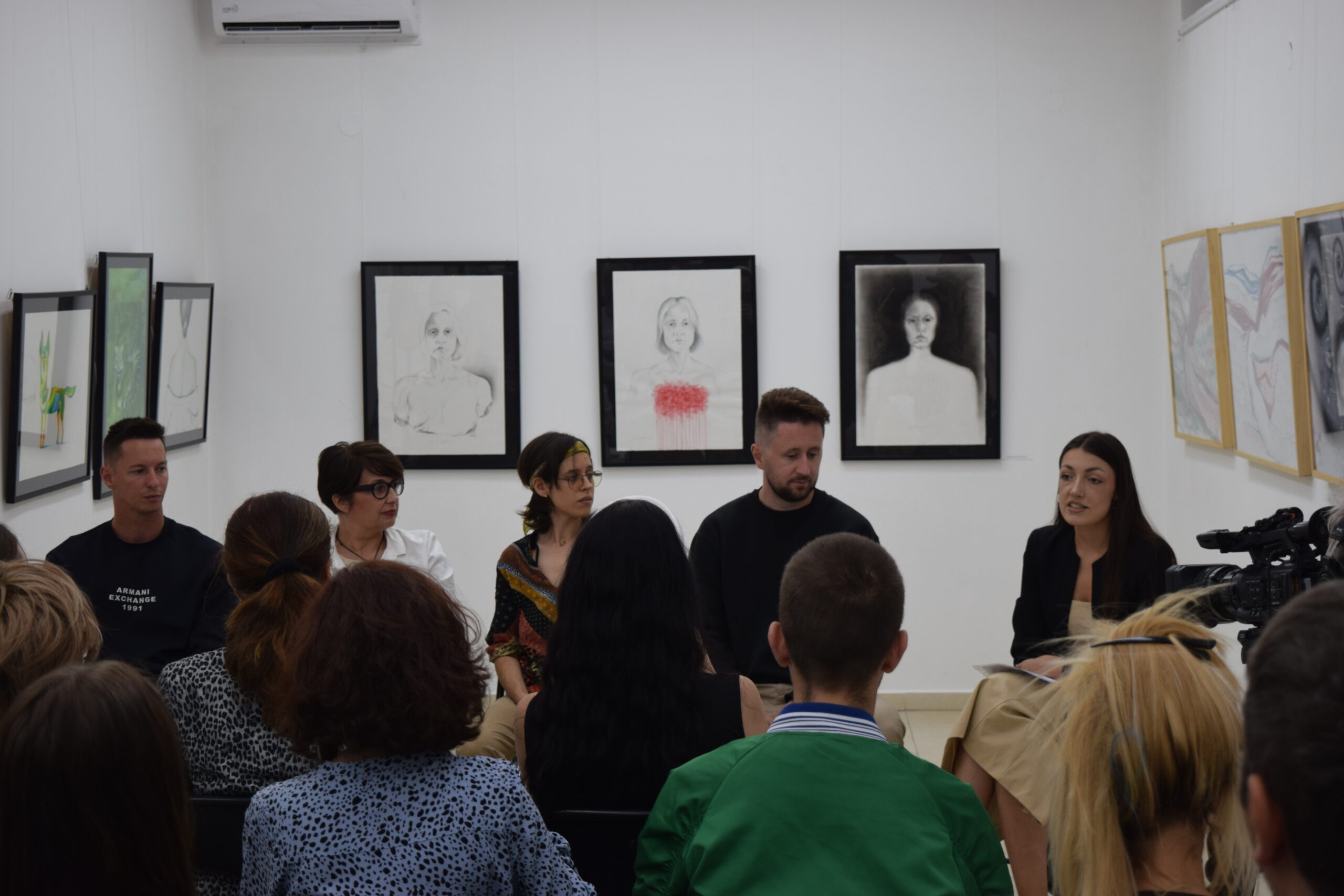
At the panel “The Art of Resistance”, organized by the Center for Girls in Niš, Miroslava Nikolić spoke on behalf of the political ecology organization Polekol. Together with activist Marija Srdić from Novi Sad and activists from the Karton Revolucija in Bosnia and Herzegovina, Adi Selman and Nedim Musić, she shared experiences about how she began her activism, what motivates her to persist, the obstacles activists face, how they overcome them, and the current struggles they are engaged in, both at the local and regional levels.
The Right to Water initiative was a guest in the latest episode of the podcast Tampon Zona!